
Why your boiler is leaking water in Maryland
A leaking boiler usually means a failed pressure relief valve, a cracked heat exchanger, or loose fittings on the pipes feeding it. The relief valve is built to open when pressure gets too high, and if it's dripping, that valve may just be doing its job or it may be worn out and need replacing. Corroded pipe joints and a failing pump seal are common too, especially if the system has been running the same way for years without anyone looking at it. Low pressure can sometimes point to a small leak somewhere else in the system that's only now showing itself. Since most homes in Maryland heat with electricity, a boiler is less common here than in other places, which makes it worth having someone who actually knows this equipment take a look rather than guessing. Left alone, a leak can damage the floor or walls around it and let the system lose enough pressure to stop heating altogether.
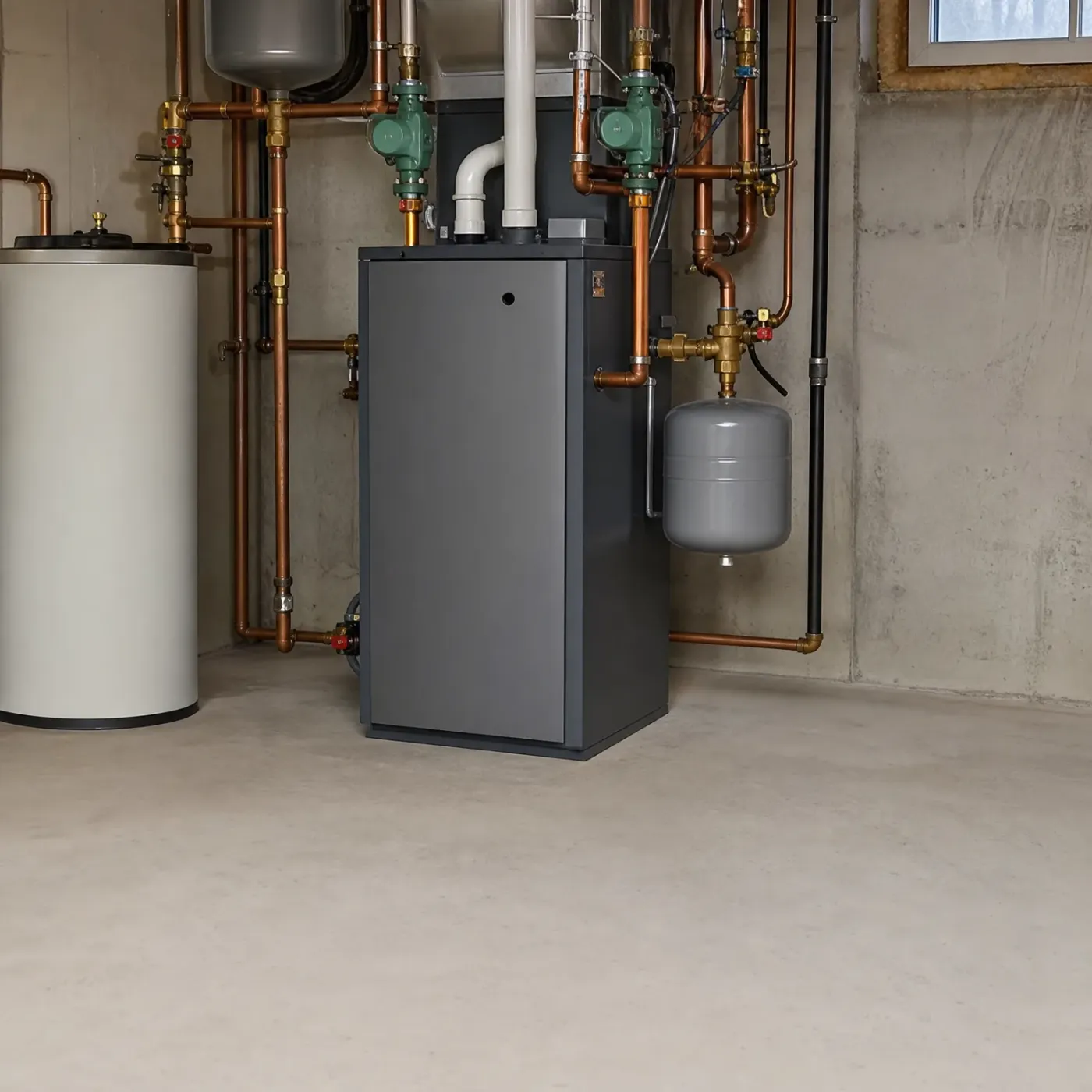
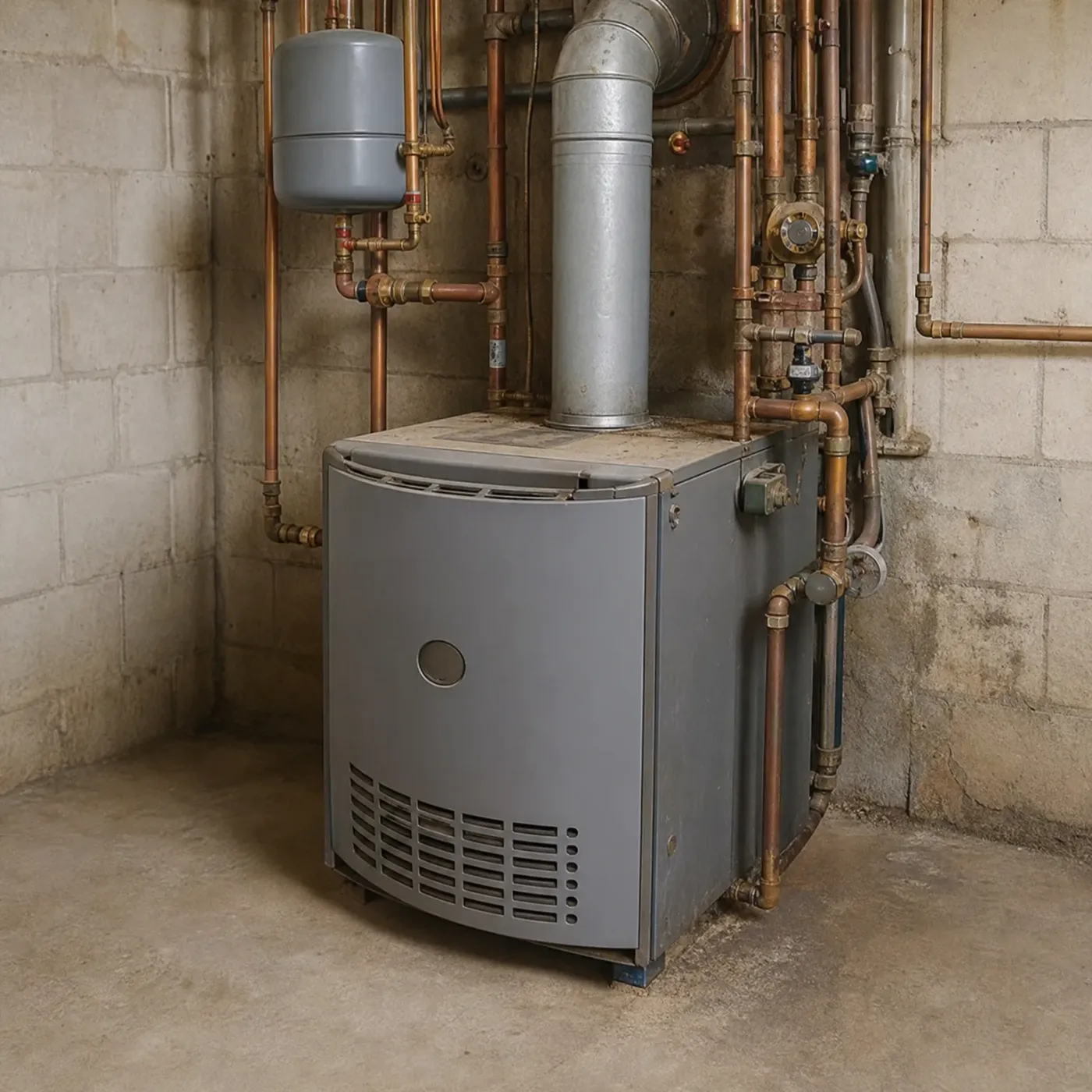




What part inside the boiler actually fails to cause the leak?
You want to know what's actually breaking inside the boiler, not just where the water is showing up. Most of Maryland heats with electricity, so a water leak from a boiler often gets noticed fast because it's not just a comfort issue, it's a sign something inside the unit has worn through or let go.
The pressure relief valve or the heat exchanger are the two parts that usually fail
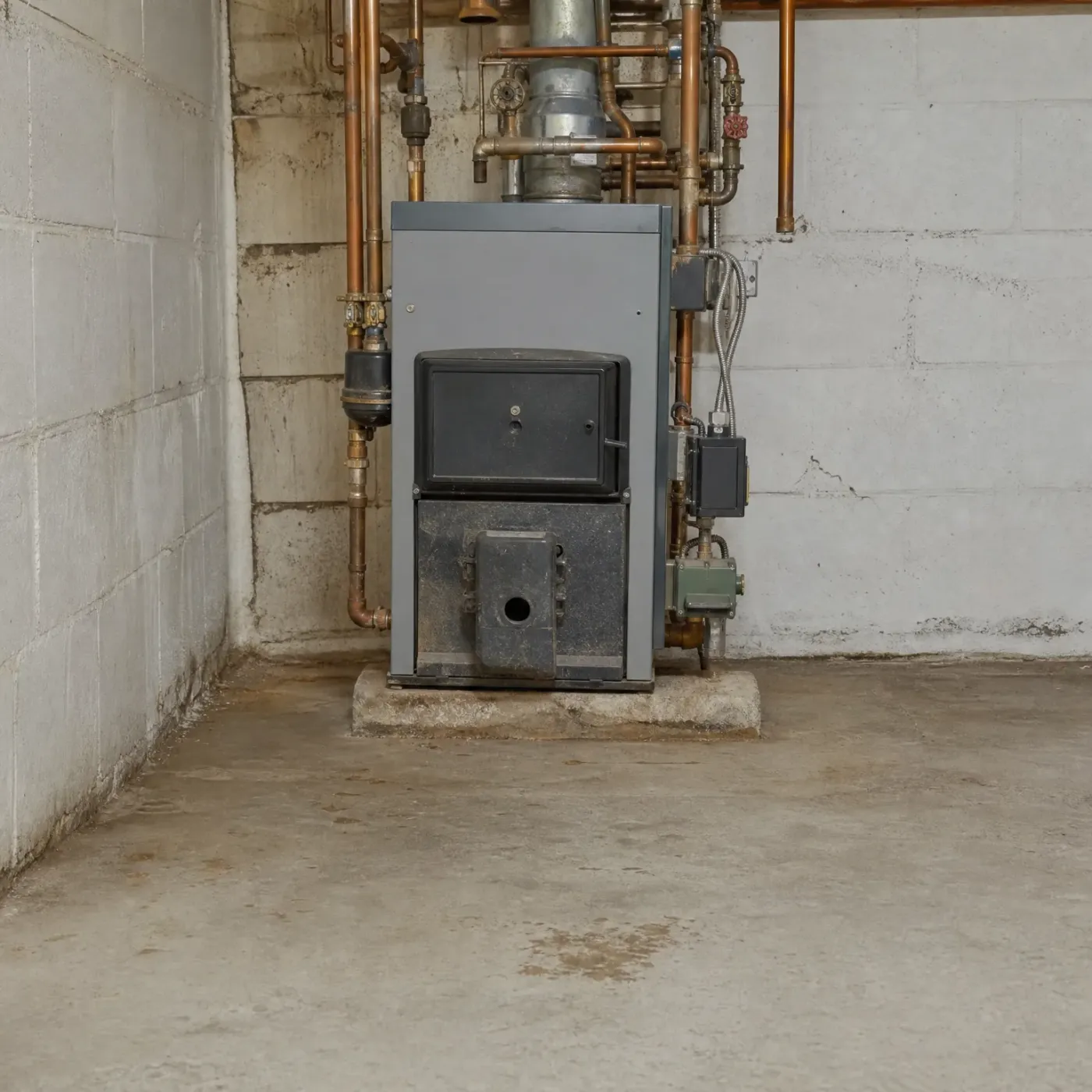
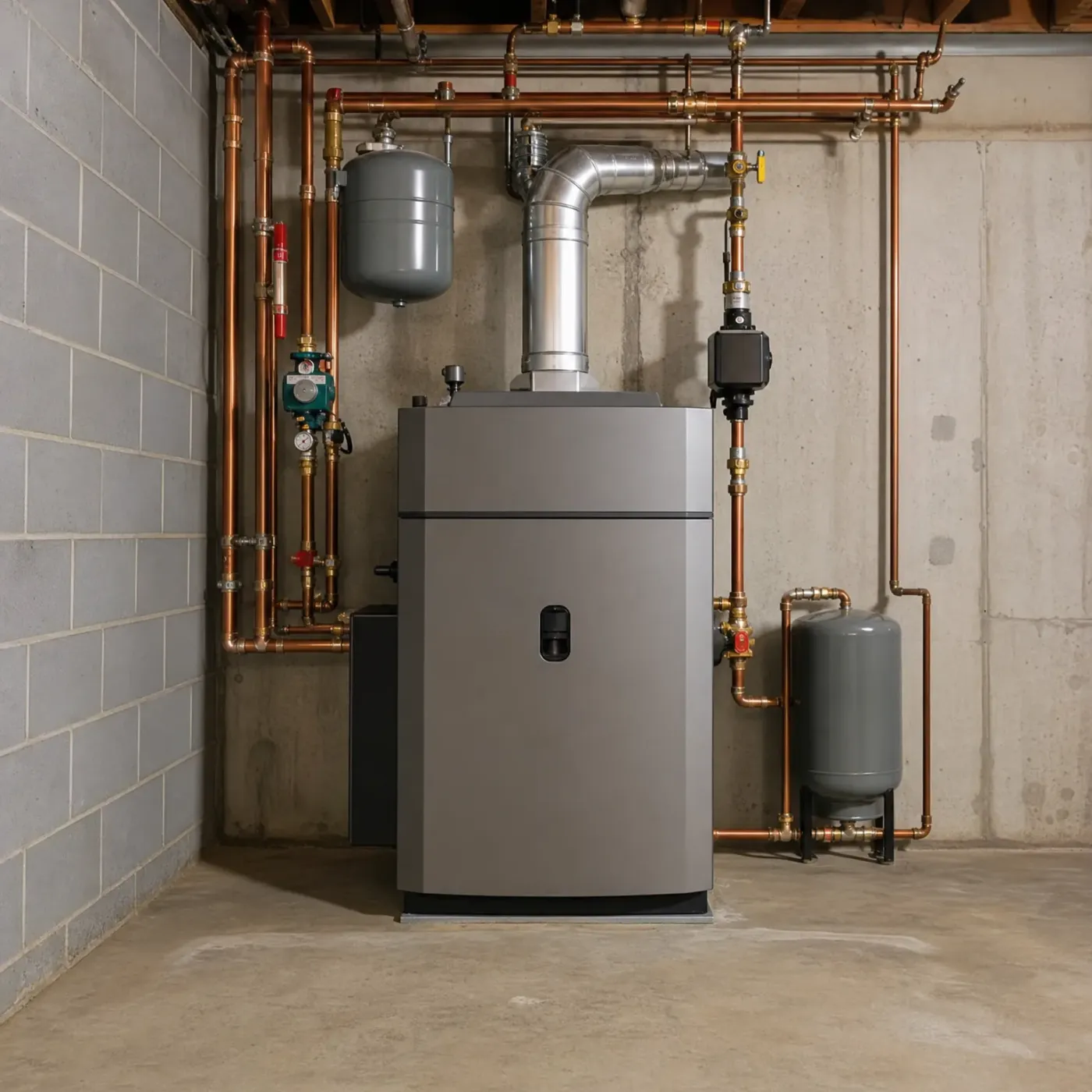
The pressure relief valve sits on top of the boiler and is built to open when pressure climbs too high inside the tank. Once it opens, it doesn't always reseat cleanly, so it keeps weeping water even after pressure drops back down. The heat exchanger is the metal chamber that carries water past the burner flame, and a crack in it lets water escape into the firebox or down through the boiler's base. A cracked exchanger means the boiler needs replacing, not patching. A relief valve, by contrast, is a straightforward swap for a licensed technician who works on boilers through every Maryland winter.
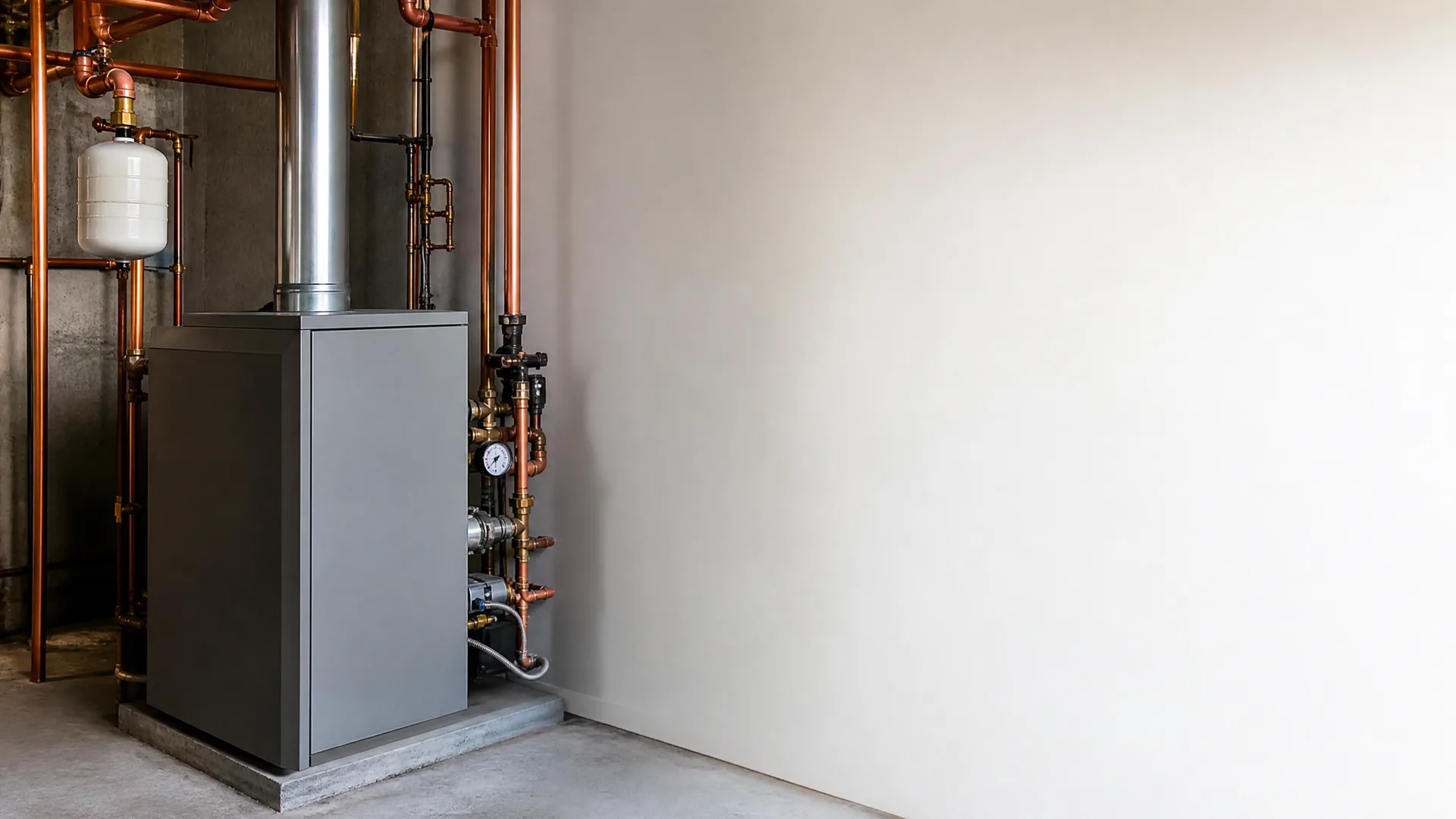
Why fittings loosen over the years
Copper pipe and the fittings that join it expand when the water heats up and contract again once the boiler shuts off. That small movement happens every cycle, all winter. Over enough cycles a compression joint or a union can work itself loose a fraction of a turn. Once that happens, water finds the gap under pressure and shows up as a drip or a damp patch on the pipe itself, usually well before the joint fails outright.
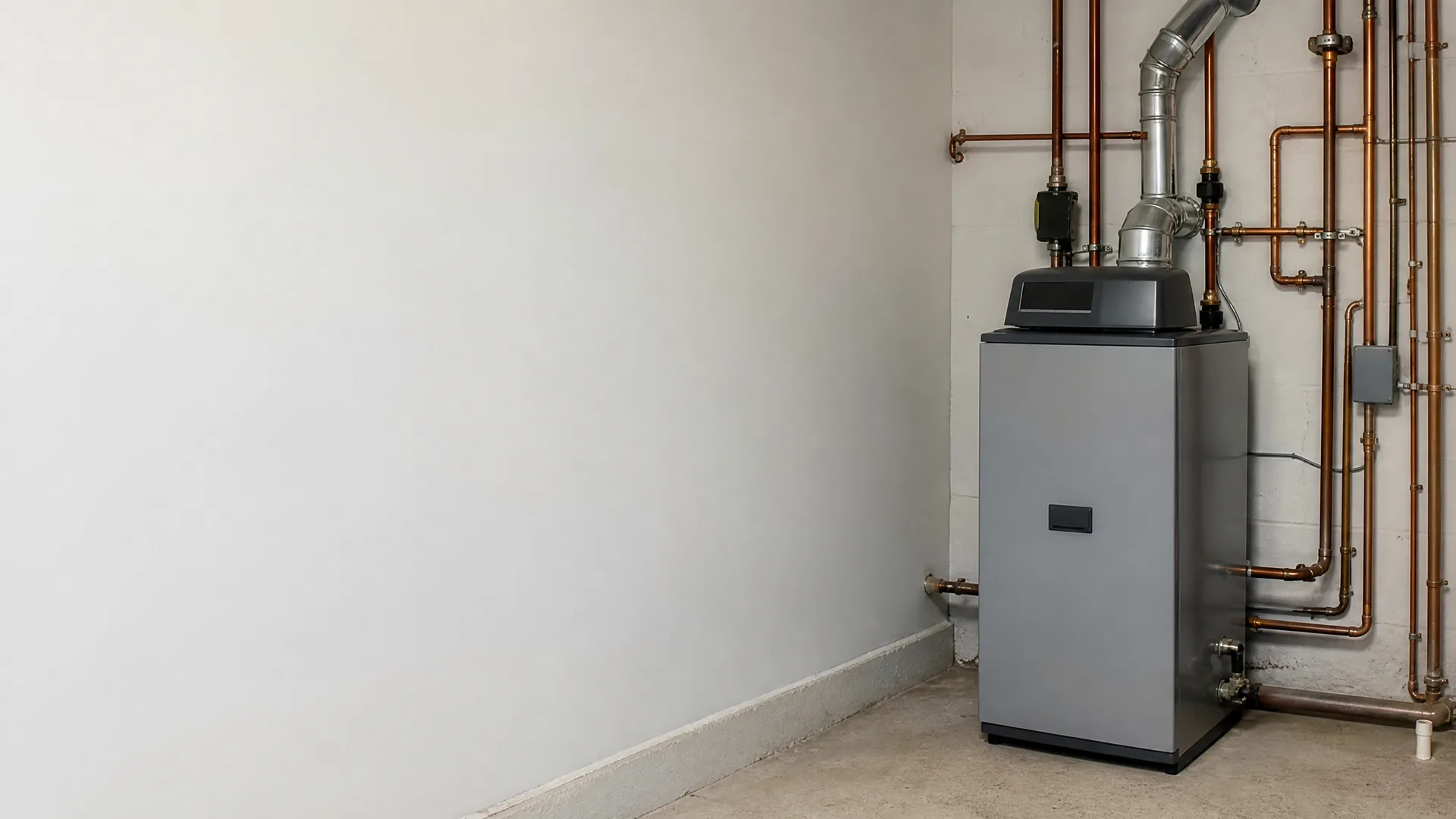
What a cracked heat exchanger means
The heat exchanger is the sealed chamber where the burner heats the water, and it's built to hold pressure on the inside while fire surrounds it on the outside. Years of that heating and cooling can open a hairline crack in the metal. Water escapes slowly at first, often only when the boiler is firing and the metal has expanded. A cracked exchanger does not get better on its own, and it is not something to patch.
What's that puddle under your boiler telling you
You might have spotted it on the floor near the base, a small ring of water that's there again a day after you wipe it up. Or rust streaking down the side of the tank, or a hiss when the burner kicks on. Sometimes it's just a damp smell in the utility room before you ever see standing water. Left alone, that water finds steel and wiring it shouldn't touch, and a boiler that's lost pressure will shut itself down rather than run dry. In a Maryland winter, a boiler that won't fire is a house with no heat until someone looks at it.


Skip calling around
A leaking boiler isn't something to watch for a week to see if it gets worse. Once a fitting lets go or a heat exchanger cracks, it stays failed, and the water keeps finding the same low spot on your floor until someone opens the cabinet and finds the actual source. Most homes in Maryland run electric heat, which means the plumber or HVAC contractor who knows boilers isn't the same one everybody down the street is calling. Finding that person usually means an afternoon of searching, a few calls that go to voicemail, and repeating the same description of the drip and the rust streak to each one who calls back. Handing this off instead puts it in front of someone local who services boilers through the winter here and has seen this exact leak come from a relief valve, a loose union, or a cracked exchanger before. You get one contractor working from what you already told them, not five asking you to start over.
Letting it drip until spring
Some homeowners wait out a slow leak because the boiler still fires and the house still gets warm. The relief valve keeps weeping, or the puddle at the base keeps coming back, and the thinking is that it can hold until the weather breaks. Meanwhile the water is doing its own damage. It rusts the jacket from the inside, it soaks into the subfloor underneath, and if the leak is coming from a crack rather than a fitting, that crack doesn't heal itself. It gets a little wider with every heat cycle. The boiler that was a loose union in November can be a cracked heat exchanger by February, and one of those is a repair while the other is a replacement.
Having a contractor open it up now
A licensed contractor who works on boilers in Maryland homes all winter can tell within a few minutes whether the water is coming from a fitting, a valve, or the heat exchanger itself, because they've opened enough cabinets to know where each kind of leak shows up. That matters more than it sounds like it should. A loose fitting gets tightened or repacked in one visit. A cracked heat exchanger means the unit is done. You don't want to be the one guessing which it is while the floor keeps getting wet, and you don't want calls from three different companies trying to sell you three different answers. One contractor, looking at your boiler, tells you which repair you actually need.

Pressure inside the boiler climbs past what the system is built to hold.
The relief valve opens to let water out and drop the pressure.
A cracked heat exchanger or a loosened fitting lets water escape on its own.
Water tracks down to the lowest point and pools at the base.
Winter nights average 27°F statewide
Boiler nights here run cold, averaging 27°F through December, January and February. Your boiler has to hold pressure through months of hard cycling, not just a few cold snaps. That steady demand is what works a weak fitting or a tired relief valve loose enough to start dripping.
NOAA nClimDiv 1991-2020 county normals weighted by homes

A leak doesn't fix itself
A leaking boiler has a cause sitting inside it right now: a relief valve holding too much pressure, a cracked heat exchanger, a fitting that finally let go. Wiping up the puddle doesn't touch any of that. Someone has to open the cabinet, find which part actually failed, and replace it.
That's the part you can hand off. Instead of searching around for a contractor, calling a few, explaining the same puddle and the same rust streak to each one, then sitting with quotes trying to guess who's right, you talk to one licensed contractor working in Maryland who deals with this equipment every winter and knows what tends to go first. One conversation, one person who's actually seen this before, and the leak gets traced to its source instead of mopped up again tomorrow.

Describe it once
Only one pro gets your request, so you hear from one company.
It costs nothing to send, and you don't have to hire anyone.