Why one radiator stays cold in a Maryland winter

Step 1 of 3: Equipment

Why is one radiator in my house cold in the winter?

One cold radiator in a Maryland winter is a nuisance you notice every evening when the rest of the house is warm and that one room isn't. With a boiler system, the pattern usually points to something specific rather than a mystery, and knowing what it is helps before you decide whether to live with it or get it looked at.

Air trapped in the radiator is blocking the hot water from filling it

Hot water radiators have a small valve, usually near the top, that lets air escape as the system fills. When that air gets trapped instead, it sits at the top of the radiator and keeps the water from reaching it, so the bottom might feel a little warm while the rest stays cold. It can also mean a stuck valve on that radiator isn't opening the way it should, or sediment has built up inside it over time. Either way, the rest of your boiler system can be working fine while this one radiator just isn't getting what it needs. With Maryland winters getting genuinely cold, a room that won't heat is worth sorting out rather than closing the door on.

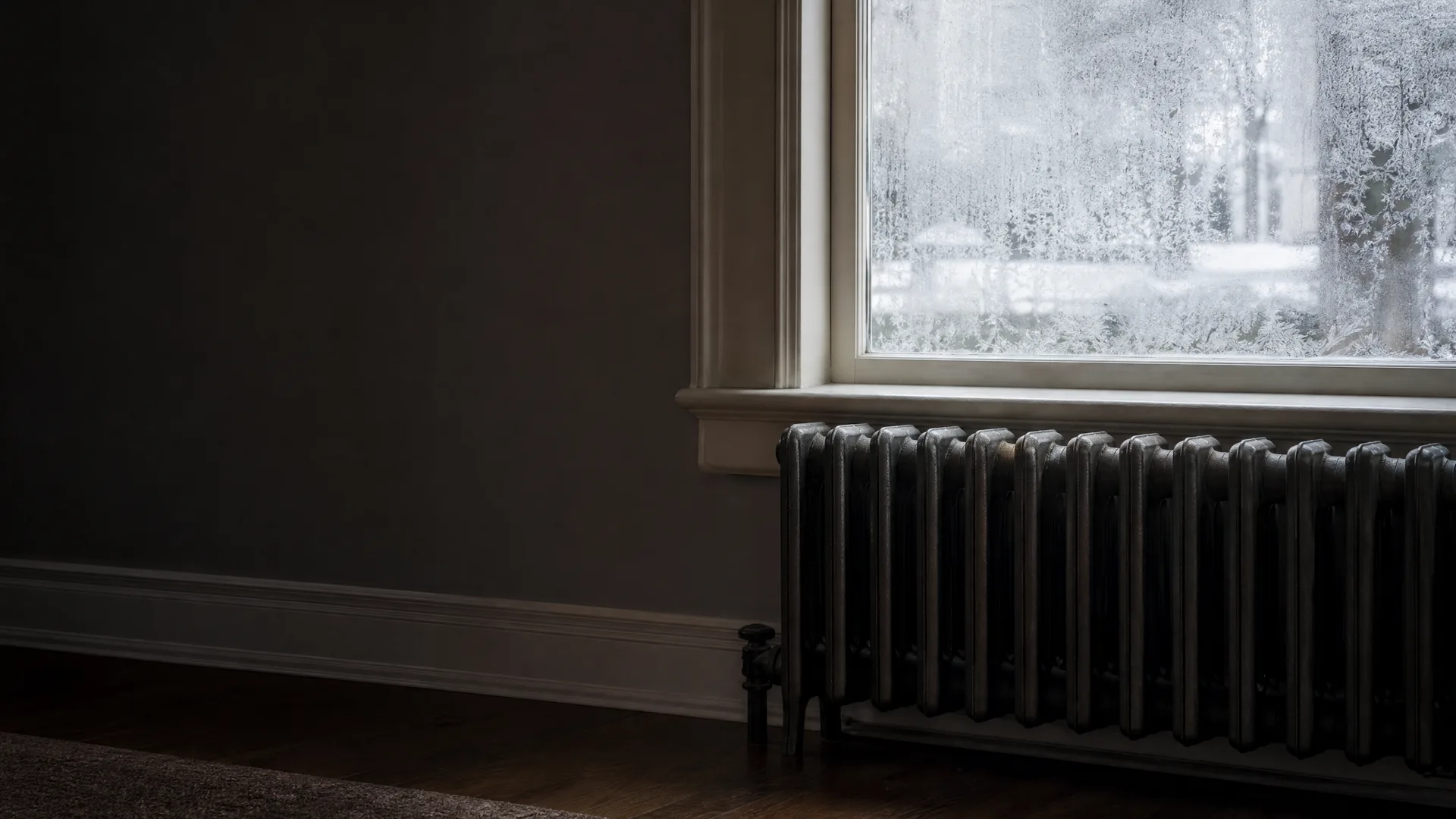
A cast iron column radiator with a valve stands beneath a window with a frosted pane showing snowy trees outside, in a dim room with dark walls and wood flooring.

You wake up before the rest of the house does, because that room is the cold one. The window over the radiator has ice on the inside of the glass, a thin sheet of it across the lower pane, and your breath shows when you walk in to check the thermostat. The cast-iron radiator under the sill is cold to the touch, top to bottom, while down the hall the one in the bedroom is ticking and warm. You put your palm flat on the ridges anyway, the way you did yesterday, hoping it's different this morning. Outside, Maryland is doing what it does in January, gray and well below freezing, and the rest of the radiators are keeping up fine. Just not this one.

Bleed the Radiator or Call for Help

Bleed It Yourself

  • A radiator key from the hardware store opens the bleed valve at the top end of the radiator, the small square fitting most of them have.
  • Hold a cup under the valve, turn the key a quarter turn, and listen for the hiss of air before water starts to come out steady.
  • If water comes out right away with no hiss, air wasn't the problem and the cold spot is something else in the system.
  • This only helps if the radiator is cold at the top with the bottom still warm, which is the sign of trapped air.
  • If the valve is painted over or won't turn, forcing it can snap the fitting and that becomes a bigger repair.
  • Bleeding one radiator doesn't fix a boiler that's low on water or losing pressure, and it can come back cold again within days.

Have a Contractor Look

  • A contractor can check the boiler's pressure gauge and water level, which explains a cold radiator that bleeding doesn't fix.
  • If the radiator's inlet valve is stuck shut or a zone valve has failed, that's a part swap, not something to force open at home.
  • A contractor can tell you if the problem is one radiator or the start of a pattern across the whole system.
  • Sediment built up low in the radiator blocks water from ever reaching the top, and a key won't move that out.
  • Skip calling around to find someone who works on boilers and skip explaining the cold radiator more than once.
  • Once you send the form, finding the right person for the job is off your plate for the evening.
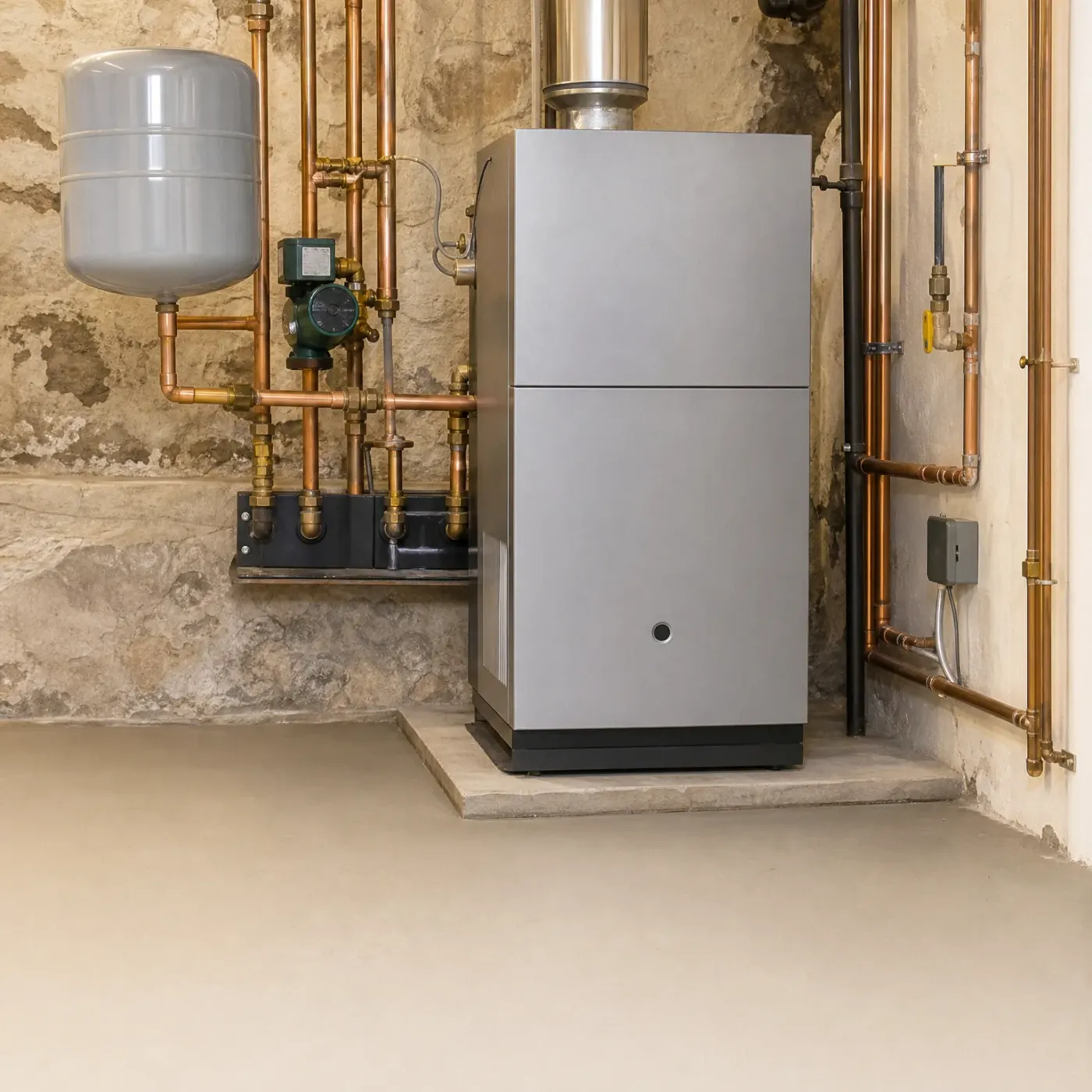
A gray boiler unit with a flue pipe stands on a concrete pad in a basement, surrounded by copper piping, a circulator pump, an expansion tank mounted on a stone wall, and an electrical outlet.

Boiler Heating Evenly

This is what the rest of your system looks like while that one radiator sits cold. The pump pushes hot water through the copper lines to every radiator, the expansion tank holds steady, and the flue carries exhaust out through the ceiling. One stuck valve or trapped air pocket doesn't change any of that.
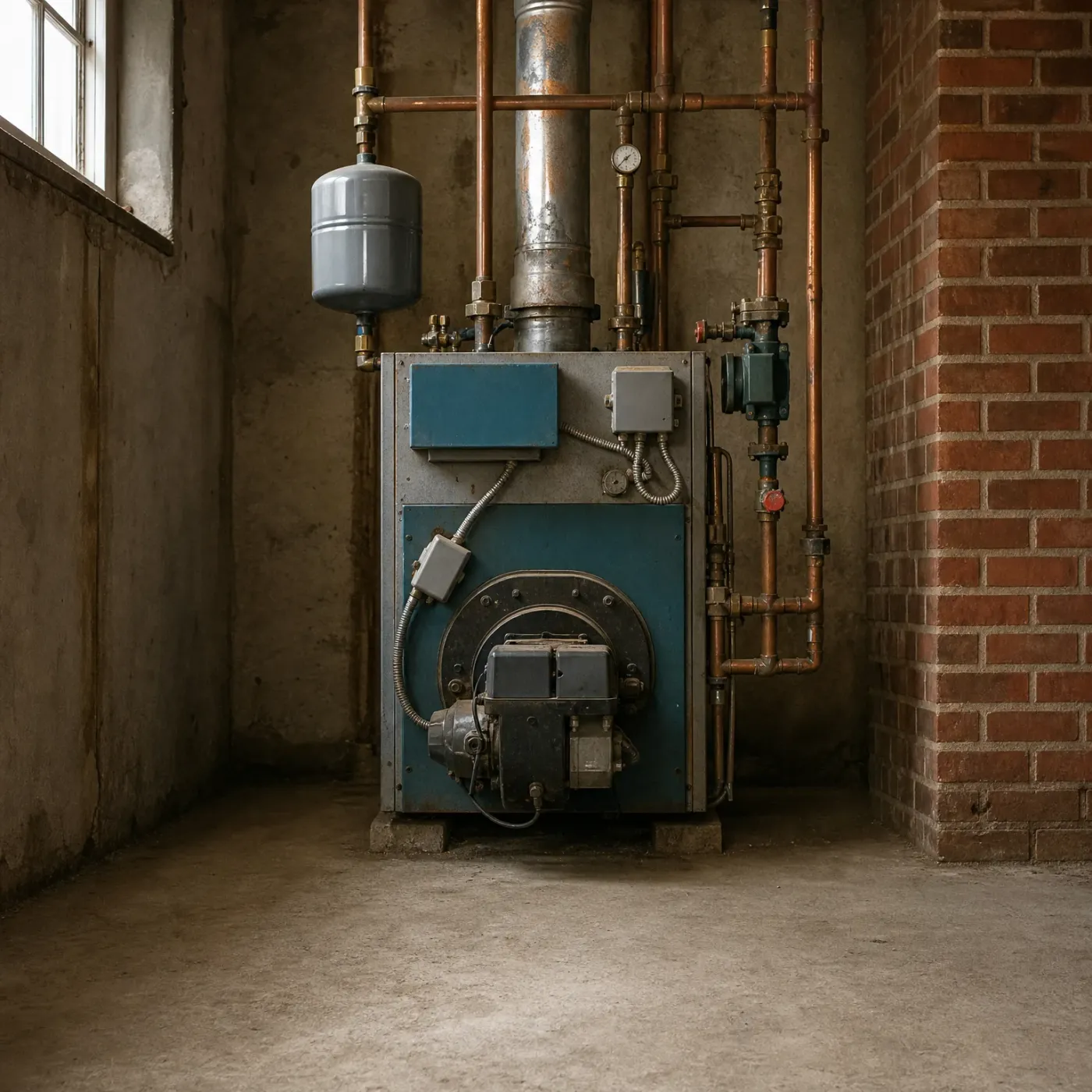

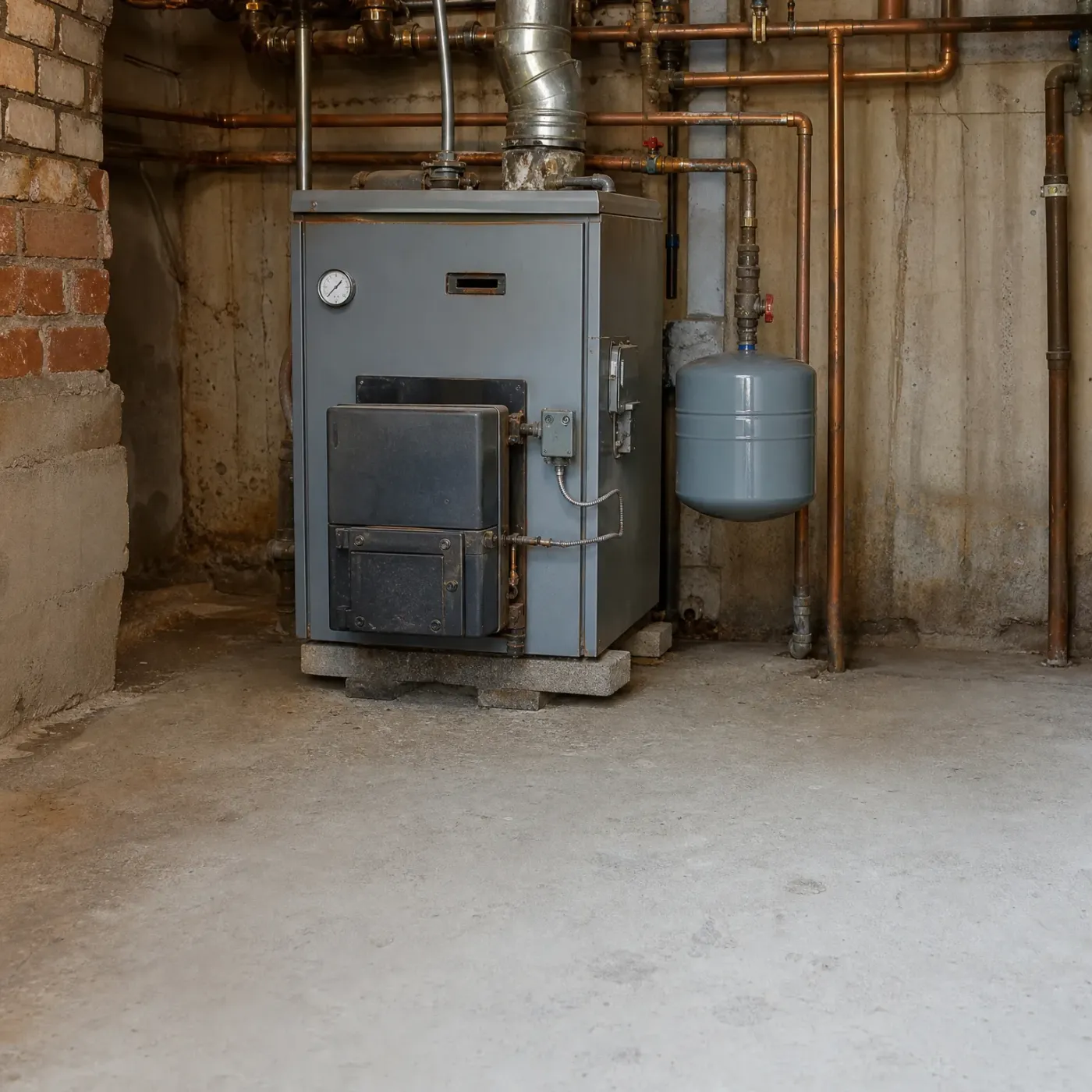
A blue cast-iron boiler with a burner unit, gauges and copper piping stands in a concrete-floored basement room beside a red brick pillar and a window.

Boiler Under Strain

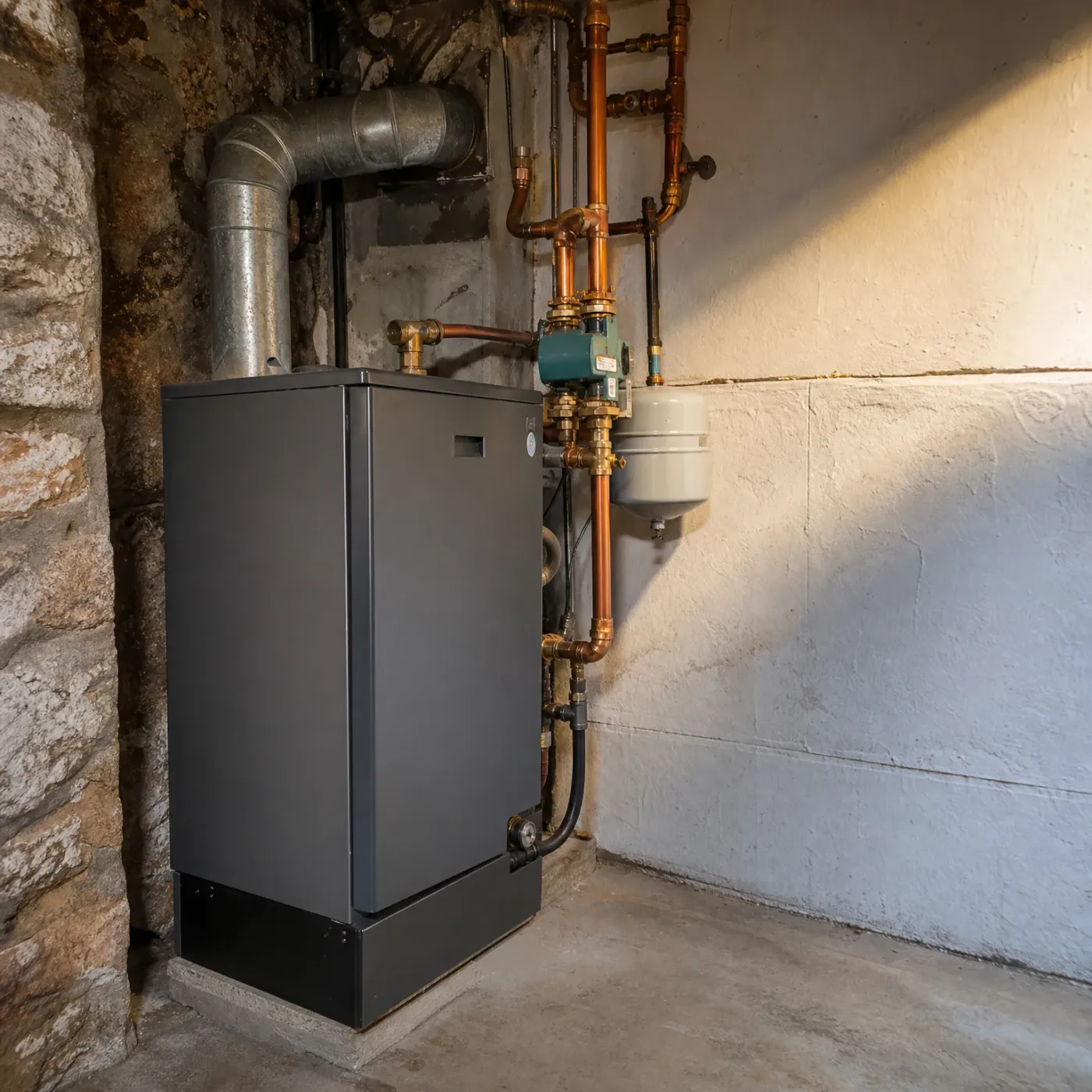
An older boiler like this one has had more years for a valve to seize or a line to build up sediment. The pressure gauge, the expansion tank, the shutoffs around it, all of it still runs the house, but a boiler this age is more likely to be the reason one room never gets warm.

A smiling man in a dark navy sweater sits on a light sofa in a living room, with a glass bowl of popcorn on a wooden coffee table and bookshelves behind him.
A smiling man in a dark green sweater sits on a tan leather sofa in a dimly lit living room, with a bowl of popcorn in the foreground and a kitchen area blurred behind him.
A smiling middle-aged man in a dark shirt sits on a gray sofa in a living room, with a bowl of popcorn on a side table and shelves, a window and kitchen area behind him.
A smiling bearded man in a dark gray t-shirt sits on a gray couch in a living room, with a large glass bowl of popcorn on a wooden table in the foreground.

It's off your list after this

One form replaces the calls you'd make to find a boiler pro.

You're not committing to anything by asking.

How Air Blocks a Radiator

  • Hot water enters a radiator at one end through a supply valve and leaves through the return line at the other end.
  • A trapped pocket of air sits at the top of the radiator and blocks hot water from filling the rest of it.
  • The bleed valve lets that air escape so water can rise and fill the whole radiator, which is why bleeding often fixes one cold radiator.
  • A radiator farthest from the boiler, or on the top floor, loses pressure first and air collects there before anywhere else.
  • A closed or stuck supply valve keeps water from entering at all, so the radiator stays cold even with no air inside it.
  • If the return line is clogged with sludge or mineral buildup, water can get in but can't circulate back out.

A boiler pushes hot water out through supply lines to every radiator in the house, then draws it back through return lines to be heated again. Each radiator has to fill with water from the bottom up for the whole thing to get warm. Air gets in the way of that. It rises to the top of the radiator and sits there, above the waterline, and the metal around that trapped pocket never heats up. That's why a cold radiator is often cold only at the top, warm at the bottom, if you put your hand on it. The bleed valve exists for exactly this. It's a small valve near the top of the radiator, and opening it with a key lets the trapped air hiss out so water can rise and take its place. Radiators farthest from the boiler, or up on the top floor, are the ones that usually need this first, since air works its way to the far end of the loop before anywhere else. Air isn't the only reason a radiator stays cold, though. If the supply valve at the bottom is closed or stuck, no water gets in at all, and bleeding won't do anything because there's nothing to replace the air with. And if the return line is clogged with sludge or mineral scale built up inside it over years, water can enter the radiator but has nowhere to go, so it backs up and circulation stops. Both of those problems look the same as a trapped air pocket from across the room. The only way to tell them apart is to open the valve and see what comes out.

A gray boiler on a concrete block base in a basement, with copper piping, a metal flue, and a gray expansion tank mounted beside it against a concrete wall.
Before you get your boiler repair
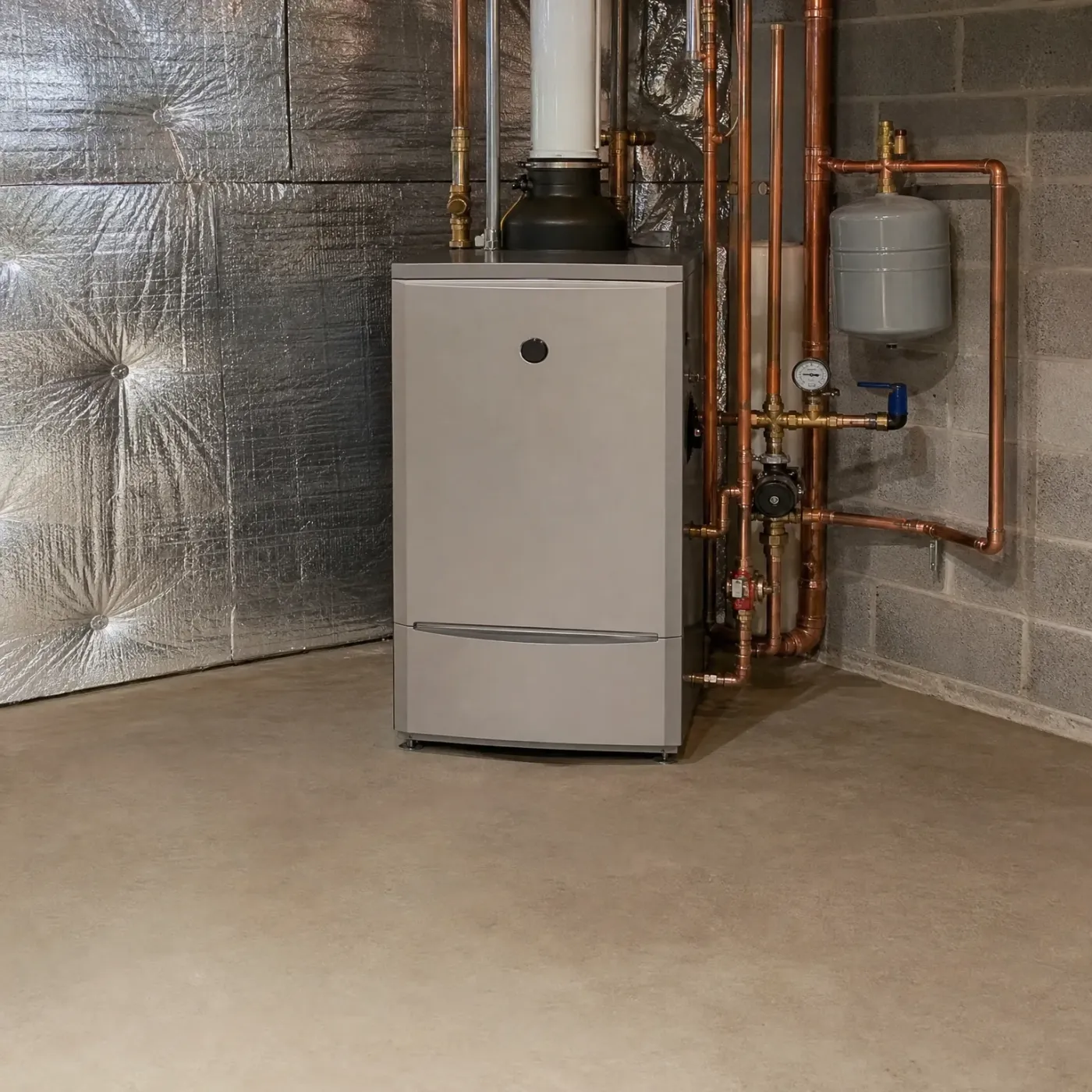
A gray residential boiler in a basement corner with copper piping, a circulator pump, pressure gauge, blue-handled valve and gray expansion tank against a concrete block wall, next to a foil-insulated wall.
After you get your boiler repair

One valve, one radiator

A cold radiator usually traces back to one bleed valve or one shutoff valve on that unit, not the whole system. A contractor can find which one in a single visit.

Send my request

Left alone, it spreads

A trapped air pocket that isn't cleared can let sludge and corrosion build in that loop, and the next cold spot might not bleed out so easily.

Send my request

Winter nights average 27°F statewide

At 27°F overnight, your boiler is running most of the night to keep the house warm. That cold radiator isn't getting its share of the heat the rest of the house depends on, so the room it's in sits closer to the temperature outside than the one your thermostat shows.

NOAA nClimDiv 1991-2020 county normals weighted by homes

  1. Water leaves the boiler and heads out through the supply line.

  2. The pump pushes hot water toward every radiator at once.

  3. Water enters this radiator through its supply valve first.

  4. Trapped air collects at the top and blocks the flow.

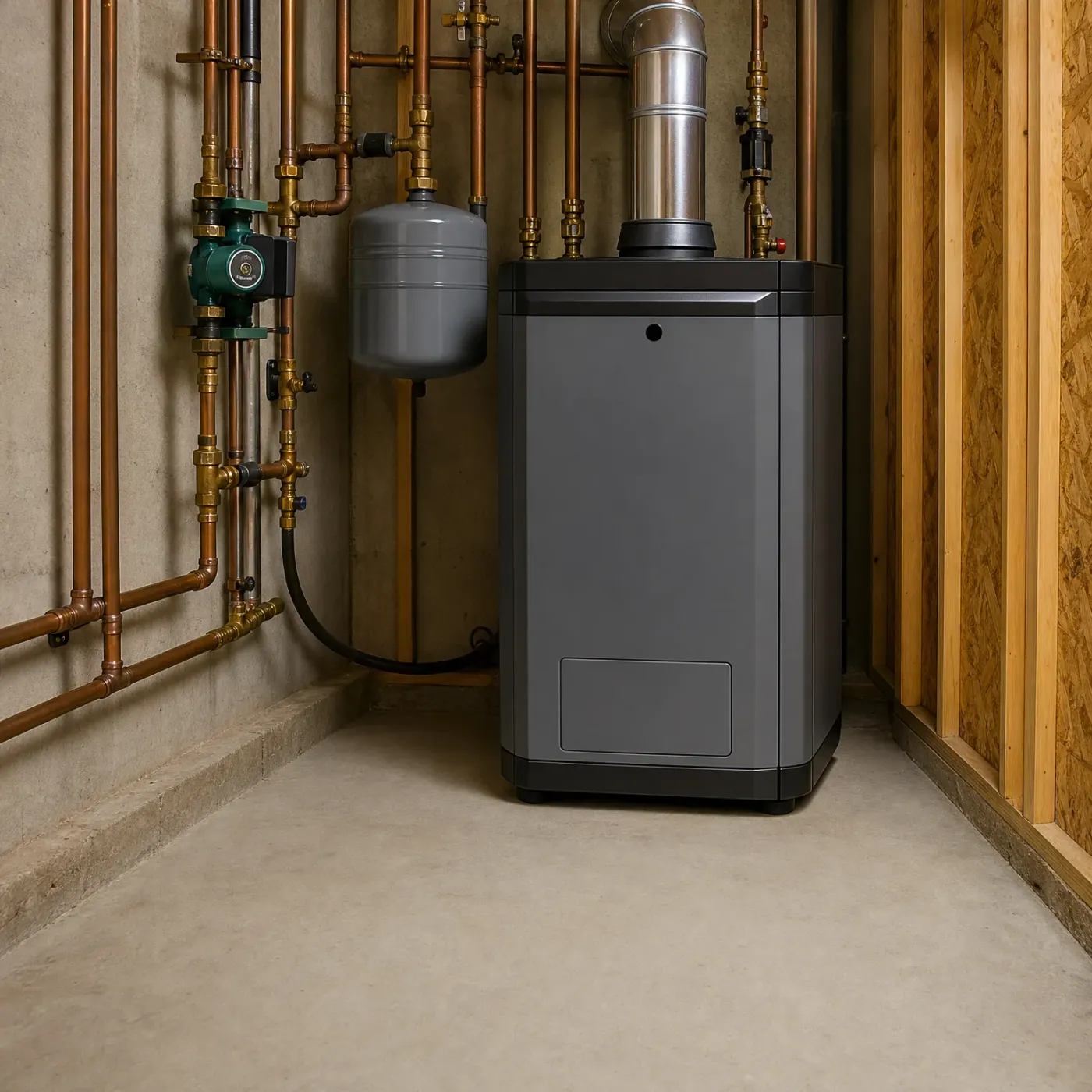
A gray floor-standing boiler with a metal flue pipe stands in a basement corner beside copper piping, brass valves, a green circulator pump, and a gray expansion tank on a concrete wall, with exposed wood framing and sheathing at right.
Copper lines, a working pump, and a flue that vents clean. Every radiator in the house gets its share of hot water.
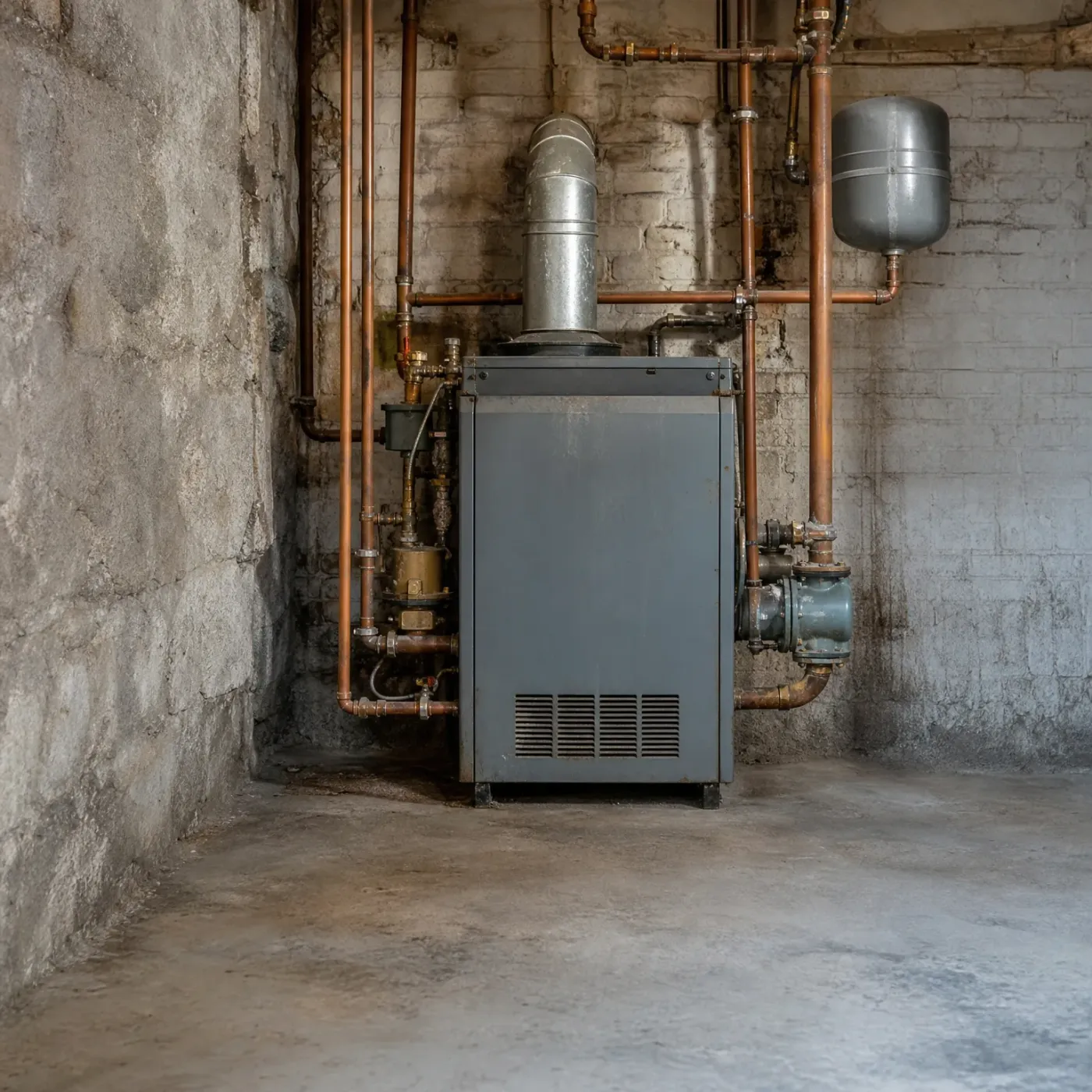
A gray boiler with a metal flue pipe and copper piping stands against a weathered painted brick basement wall, with an expansion tank mounted overhead and a bare concrete floor in front.
Older cast iron, the same valves and fittings, but one shutoff or bleed valve has failed. One radiator pays for it.
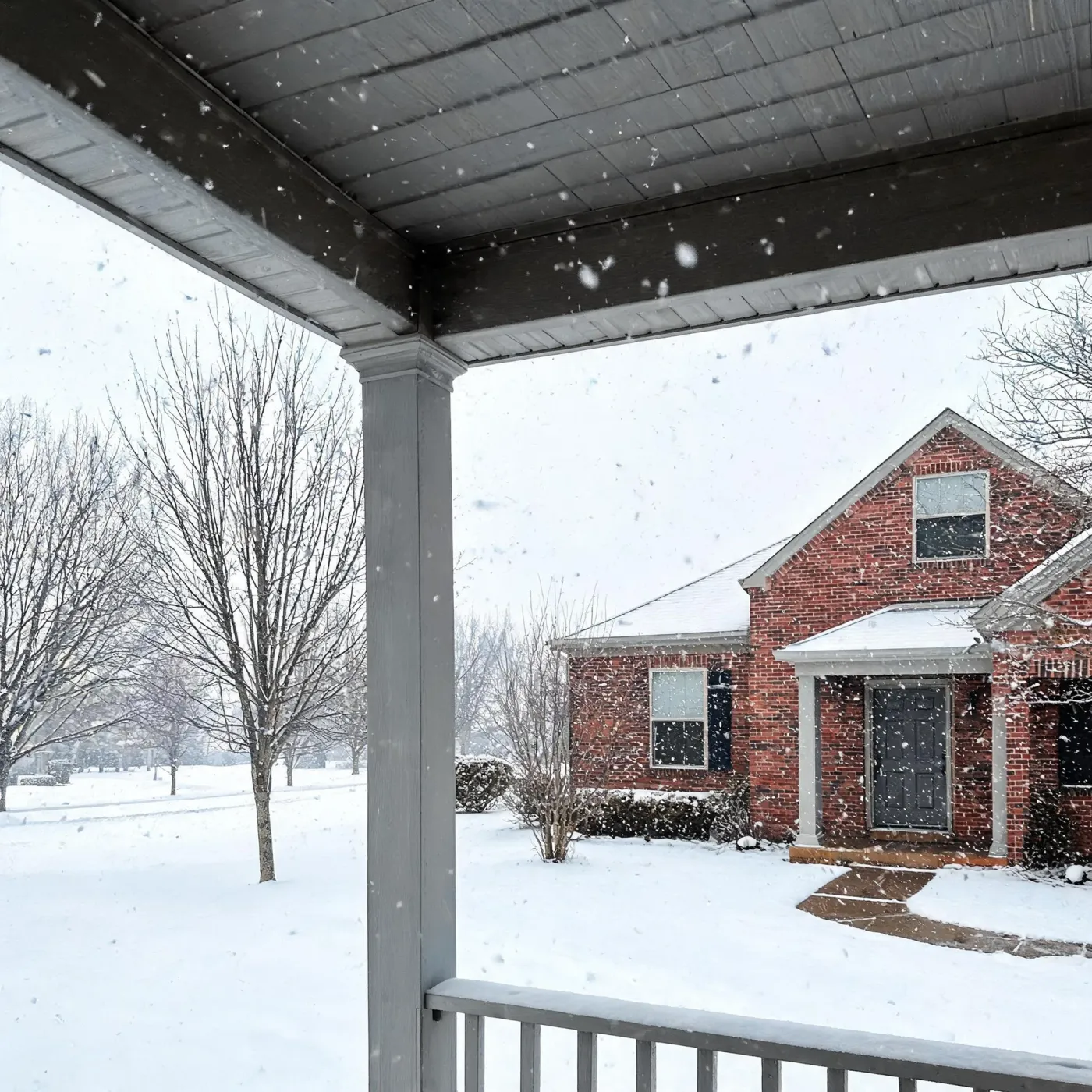
View from a covered porch with a white post and railing toward a red brick house across a snow-covered yard, with falling snow and bare trees.

Statewide, winter nights average 27°F, according to NOAA climate data. That's cold enough that your boiler is cycling on through most of the night just to hold the house steady. In a healthy system, every radiator gets its turn as hot water moves through the loop. But the one with trapped air or a stuck valve doesn't fill all the way, so it can't give off its share of heat. On a night that cold, the gap is obvious fast. You'll feel it walking past that doorway, a few degrees off from every other room, while the boiler keeps running like it's doing its job everywhere else.

NOAA nClimDiv 1991-2020 county normals weighted by homes

A woman in a dark gray sweater reclines on a light sofa with eyes closed and a slight smile, under a textured gray blanket with an open book resting on her lap, with a lit table lamp and plant in the background.
A smiling bearded man in a navy crewneck sweater sits at a dinner table with a glass of red wine, plates and glasses in the foreground, in a dimly lit room with a lamp and framed picture behind him.

A cold radiator while the rest of the house is warm comes down to one valve, not a failing boiler. Air trapped at the top, a shutoff that's stuck, or a bleed valve that won't turn: it's one part on one unit, and a contractor who's seen this before can find it fast. Left alone through a Maryland winter, that one room keeps losing its share of heat every night the temperature drops, and the system keeps working harder to make up for it. You could spend your evening calling around, describing the problem to one company after another, and sitting with quotes you can't really compare. Or you could send one form and let someone else carry that part of it, the searching and the sorting, while you deal with the part that actually matters: getting that radiator warm again. The room with the cold window and the ice on the glass doesn't have to stay that way the rest of the season. It's one valve. Someone can find it.

A dark gray boiler unit stands in a basement corner against a stone and painted concrete wall, connected to copper pipes, a circulator pump, an expansion tank, and a galvanized metal flue duct.

Stop chasing a boiler pro

Skip the calls

Answer a few questions instead of calling shop after shop.

No charge to send it. You decide if you hire them.