 Let a pro reach out
What a boiler tune-up covers before a Maryland winter
Send the form, and lining up the boiler tune-up stops being yours to chase.
A boiler tune-up before winter is a cleaning and a check, not a repair. Most of Maryland's homes heat with electricity, which makes the ones that run on a boiler worth keeping sharp, because electric heat here isn't cheap and a boiler that's working right is what keeps that bill from climbing further.
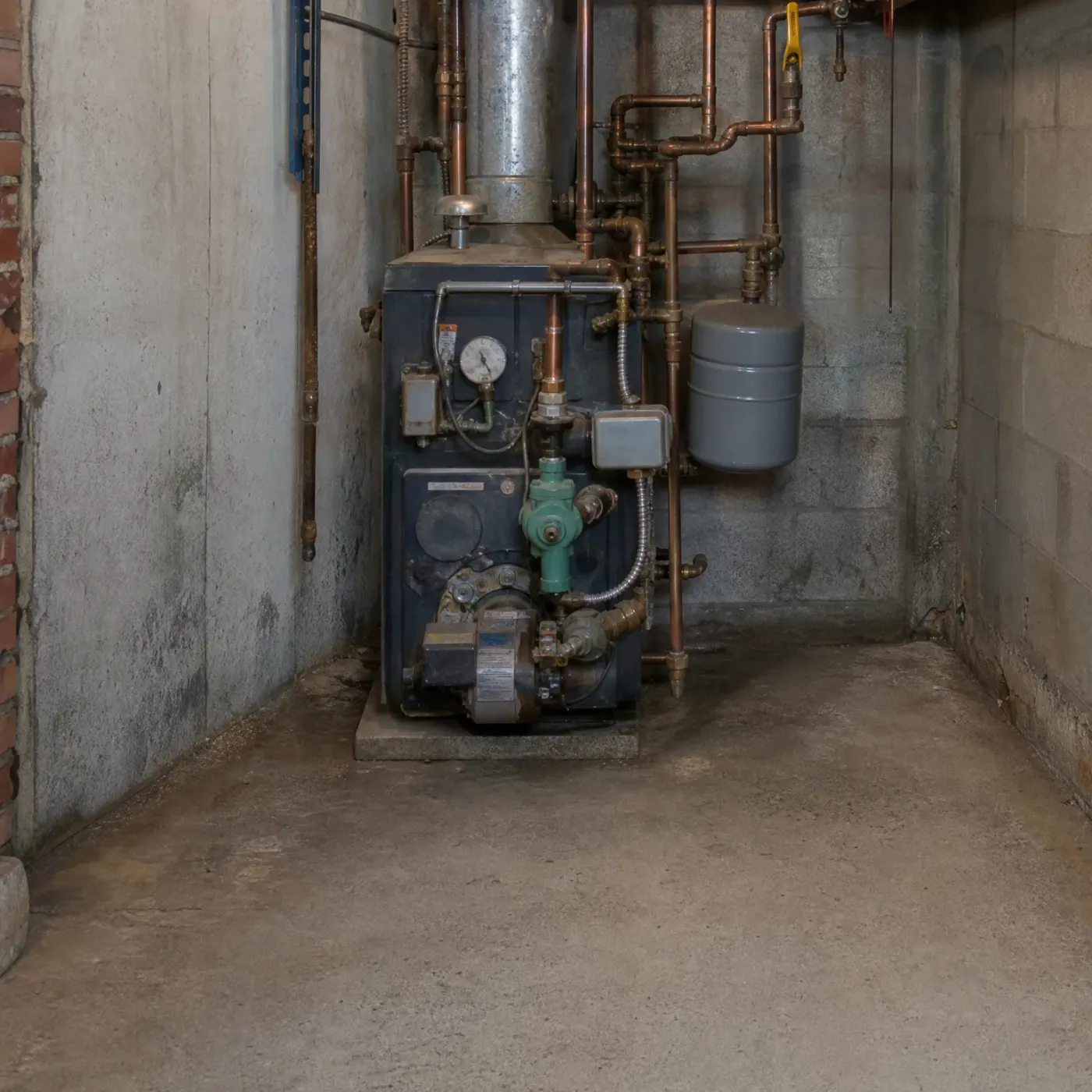
The technician checks the burner and cleans it if it's sooty. Checks the pressure and the water level. Bleeds air from the lines if there's a cold spot on a radiator. Looks at the flue for a blockage, checks the thermostat calls for heat the way it should, and tests the safety controls that shut the boiler down if something goes wrong. Small things get caught here. A pilot that's weak, a valve that's starting to seep, a pressure reading that's drifted off. Left alone, any one of those turns into a cold house in January and a repair that costs more than the check would have.
Finding someone who does this right takes time you'd rather not spend. Calling a few contractors, waiting on callbacks, explaining the same thing about your boiler three or four times, then sitting with quotes that don't line up with each other. That's the part that wears people down before the actual work even starts.
Send the form once and that search is off your plate. You're not left to sort through names or guess who's worth a call back. Someone qualified gets word of what you need, and from there it's off your hands. No more calling around before the cold sets in.
A boiler tune-up before winter covers a set list of jobs: cleaning the burner and heat exchanger, checking the flue for a safe draft, testing water pressure and the pressure relief valve, bleeding air from the radiators or baseboards, checking the aquastat and thermostat controls, and looking over the circulator pump and any visible piping for leaks or corrosion. A technician does this with the boiler off and cooled down, working through each part in order. Soot and scale buildup inside a boiler make it work harder to heat the same water, and a stuck valve or a bad seal can turn into a bigger repair once the system is running daily. Catching those in the fall means the boiler is ready before the first cold stretch asks something of it, instead of failing on the night you need it most.




A tune-up goes in order, not at random. The burner comes first. A steady blue flame burns clean; yellow or lazy orange means it's not combusting right, and a tech adjusts it until it holds blue. From there it's the heat exchanger, where soot and scale build up over time and slow down how much heat actually makes it into your water. Pressure comes next, checked cold on the gauge and reset if it's wandered from where it should sit. The relief valve gets opened by hand, because a valve that's seized shut won't show it until the one time you need it to work. Radiators or baseboards get bled, which is the fix for the clanking pipes or the radiator that's warm on the bottom and cold at the top. Last is the aquastat, checked against what the water's actually running at. When it's drifted, you either pay for heat you're not getting or burn more electricity than the room needs.
What a tune-up actually checks
- A technician checks the burner flame and adjusts it so it burns a steady blue instead of yellow or lazy orange.
- The heat exchanger gets cleaned of soot and scale, since a thin layer of either one slows how well it transfers heat to your water.
- Water pressure on the gauge should sit around 12 to 15 psi cold, and the tech resets it if it's drifted outside that range.
- The pressure relief valve gets tested by hand to make sure it actually opens, because a stuck valve is a safety problem, not just a maintenance one.
- Radiators or baseboards get bled of trapped air, which is what causes the clanking or the cold spot at the top of a radiator.
- The aquastat gets checked against the water temperature it's actually producing, since a drifted aquastat either wastes electricity or leaves rooms underheated.



The technician shuts down the boiler and lets it cool before opening it up.
The burner assembly comes out for a close look at the flame pattern.
Soot and scale get cleaned off the heat exchanger surfaces.
The flue is checked for a clear path and a safe draft.
Finding a pro stops being your job
Answer a few questions instead of calling shop after shop.
Send the request and finding a pro stops being your problem.
There's no charge for the request.
Tune-up now or wait and see
Tune-up now
- A technician checks the aquastat and the pressure relief valve while the boiler is cold and easy to open up.
- Soot and scale come off the heat exchanger before a hard freeze means you're relying on it every day.
- Air gets bled from the radiators or baseboards so heat reaches every room instead of leaving cold spots.
- A problem with the burner flame or the flue draft shows up on a mild October day instead of a January night.
- Scheduling it ahead of the cold means you pick the day instead of waiting for whoever has an opening.
- You get one visit that covers the whole list instead of separate calls for separate symptoms later.
Wait and see
- The boiler keeps running through the fall on whatever pressure and burner setting it already has.
- A yellow or lazy orange flame, or water pressure drifting off, won't get caught until something stops working.
- A breakdown in the cold means calling around for whoever can come out, not picking the timing yourself.
- You're explaining the same problem more than once, to more than one contractor, before anyone shows up.
- A heat exchanger with built-up soot or scale keeps losing efficiency the whole time it's left alone.
- Electric heat backup runs more to cover for a boiler that isn't transferring heat the way it should.
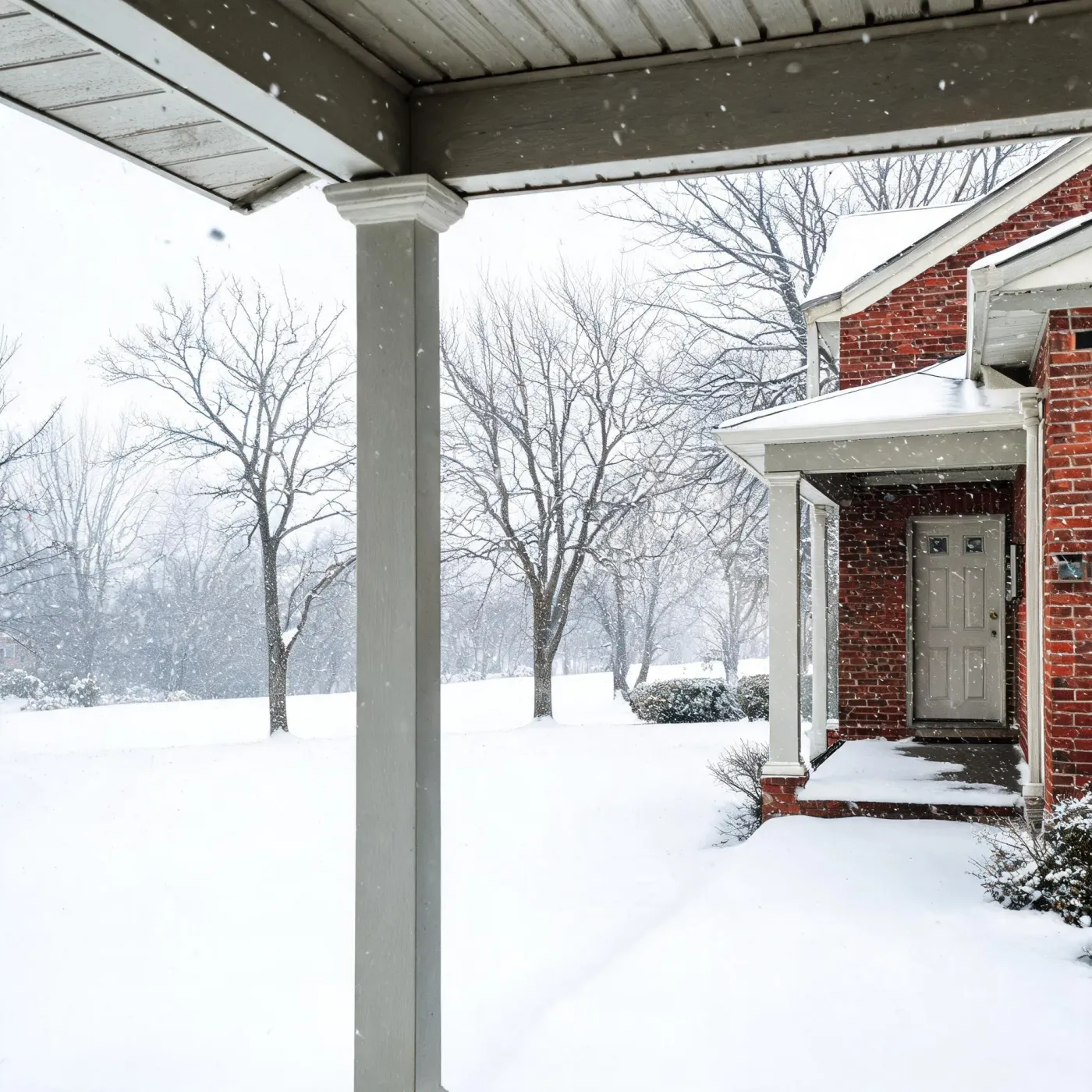
Winter nights average 27°F statewide, according to NOAA climate data. That's below freezing most nights from December through February. Your boiler responds by running longer cycles to keep the water hot enough to heat your radiators or baseboards all the way through. If the aquastat is off or the heat exchanger has a layer of soot on it, the boiler has to work harder to hit that temperature, and you'll notice it in rooms that take longer to warm up or stay cooler near the windows. A tune-up done before those cold nights settle in catches that kind of drag while the boiler is still easy to get into and adjust.
NOAA nClimDiv 1991-2020 county normals weighted by homes
Why does one room run warm and the others stay cold?
That usually means air trapped in a radiator or baseboard, and it's worth bleeding before the cold really sets in. You might also notice a knocking or gurgling sound from the pipes when the heat kicks on, or a boiler that takes longer than it used to before the radiators get hot. Check the pressure gauge too. It should sit in the range marked on the dial, and if it keeps dropping, something is letting water out of the system. None of this is an emergency on a mild October day. It gets harder to live with once you're depending on that boiler every night to keep the house above freezing, and Maryland's electric heat costs make a boiler running inefficiently an expensive thing to ignore.

Pressure drifts without warning
A cold boiler system should hold somewhere around 12 to 15 psi on the gauge. That number moves on its own over months, not because anything broke, but because small amounts of water and air work their way out of the system. A tune-up catches that drift before a hard January night finds the boiler running low and short-cycling to keep up.

The flue has one job
Combustion gas has to leave the house through the flue, and the draft that pulls it out has to stay clear the whole way. Soot, a bird's nest, even a loose connection at a joint can block that path. A technician checks the draft with the boiler firing, not just by looking at the pipe, because a flue can look fine and still not be pulling right.
Winter nights average 27°F statewide
At 27°F overnight, your boiler is holding water well above that to keep radiators or baseboards warm. That gap between outside and inside is what it's working against every night from December through February, so a dirty burner or low pressure costs you more on nights like these than it would in October.
NOAA nClimDiv 1991-2020 county normals weighted by homes
What a Tune-Up Settles Before Winter
- A boiler tune-up before winter is a cleaning and a check of the burner, heat exchanger, flue, pressure, and aquastat.
- None of it is a repair, so a technician doing this work is confirming the boiler is ready, not fixing something broken.
- Maryland winters push the boiler to run long cycles against nights that average 27°F from December through February.
- A gauge sitting outside 12 to 15 psi, air trapped in a radiator, or a yellow flame are signs worth catching before the cold sets in.
- Finding a licensed technician, calling around for quotes, and explaining the same problem twice is the part you can skip.
- Once the form is in, the work of lining up help is off your plate, and the boiler is the only thing left to deal with.
A boiler tune-up before winter comes down to the same handful of checks every time: the burner flame, the heat exchanger, the flue, the water pressure, the aquastat, and the air in the radiators or baseboards. None of that is repair work. It's a technician confirming the boiler is ready to run long cycles once the nights settle in around 27°F from December through February, night after night, without anyone needing to think about it.
The signs worth catching now are small ones. A gauge that's drifted outside the normal 12 to 15 psi range. A flame burning yellow instead of steady blue. One room that stays cold while the rest of the house warms up, usually just trapped air in a radiator. None of these mean something is broken. They mean something is worth looking at before the boiler is running every day and there's no good time to shut it down.
What takes the actual time isn't the tune-up itself, it's finding someone licensed to do it, calling around for quotes, and explaining the same symptoms to three different people before anyone shows up. That part is what you skip. Once the form is in, lining up a technician is off your plate, and the boiler, the gauge, the flame, the radiators, is the only thing left to deal with.

Boiler Maintenance
Let someone else find the pro

- A local pro who knows boilers gets your details and gets in touch.
- A local pro who services boilers gets in touch about the tune-up.

- One request and the search for a pro is handled.
- Send it once and finding someone is no longer on you.

- Fill out one form instead of calling around for a boiler tune-up.
- Fill out one short form instead of calling around.

- A licensed local pro takes the request for your boiler tune-up.
- Your request goes to one pro, not a list of companies.