Most homes in Maryland run on electric heat, and electricity here isn't cheap. If your boiler runs on gas or oil instead, you're already paying a different kind of bill, and you're probably wondering whether swapping in a high-efficiency model is worth the cost. With winters that demand real heat and a power rate that doesn't let up, that's a fair thing to run the numbers on before the weather turns again.
For most Maryland homes, yes
A high-efficiency boiler burns less fuel to make the same heat, because it captures exhaust heat that an older model sends straight up the flue. That difference matters more in a state where winter runs long enough to put real hours on the system. If electricity is what you'd otherwise lean on to make up the difference, a boiler running on gas or oil at higher efficiency keeps you from paying electric rates to cover the gap. The gain is smaller if your current boiler is already modern, and bigger if it's old enough that a lot of heat is going up the flue instead of into your rooms.
A boiler running the way it should
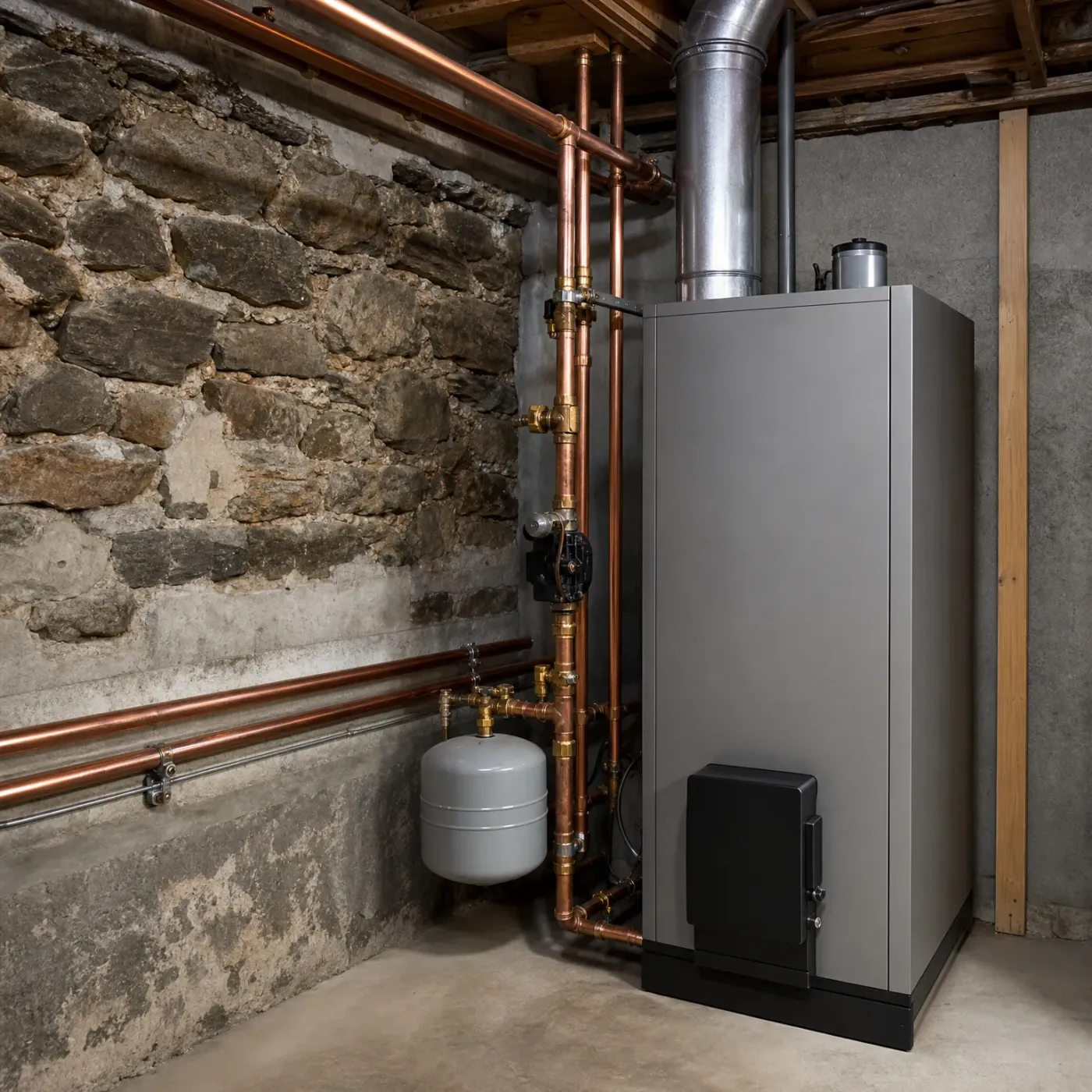
A newer boiler sits on a concrete pad with its piping tight and dry. The copper lines, brass fittings and expansion tank all hold pressure the way they're supposed to. It fires, heats the water, and shuts off, and the gas or oil bill reflects that efficiency.
A boiler past its best years
An older oil-fired boiler can keep running long after it's stopped doing the job well. The flue still draws, the pipes still carry water, but it's burning more fuel to make the same heat. That gap shows up on every bill through the winter.
Keep It Running or Replace It
Keep the old boiler
No installation cost, no new venting or piping, no days without heat during the swap.
An older cast iron boiler can run for decades if the heat exchanger hasn't cracked and the controls still work.
Parts for an older unit are usually easier to find than parts for a boiler that was discontinued years ago.
You already know how it behaves, when it short cycles, when it runs long, what the pilot or igniter needs.
Efficiency losses show up on the gas or oil bill every month, not as a single number you can point to.
A boiler running at 65 to 70 percent efficiency is sending close to a third of what you pay for straight out the flue.
Install a high-efficiency boiler
A condensing boiler can run above 90 percent efficiency, pulling heat out of the exhaust that an older unit just vents outside.
Lower gas or oil use month to month means a smaller fuel bill for as long as you own the house.
New boilers modulate output to match the load instead of firing at full blast and shutting off, which cuts wear on the parts.
PVC venting on a condensing unit replaces a metal flue, which matters if the old chimney liner is failing.
Installation means new venting, likely new piping, and a sealed combustion setup, so the job takes planning, not just a swap.
A sealed system draws combustion air from outside instead of the room, which some older boilers can't do.
A pro who works on boilers
Once you send the form, finding a pro is off your list.
Get in touch with a local installer about a new boiler.
Asking costs nothing, and the choice to hire stays yours.
What an old boiler is costing you right now
You feel this one in January, not July. A boiler that's lost efficiency runs longer to hold the same temperature, and on gas or oil, that shows up as a bill that climbs every year it's not replaced. If you've watched that number creep up three winters running, the boiler is probably why.
There's also what you don't see. An aging heat exchanger can crack quietly, and a pilot or igniter that's starting to act up tends to fail on the coldest night, not a convenient one. Getting ahead of it means one call now instead of an emergency later. Once you put in a request, a contractor who handles boiler installations in your area follows up, and the job of tracking down who's available and qualified stops being yours to carry.
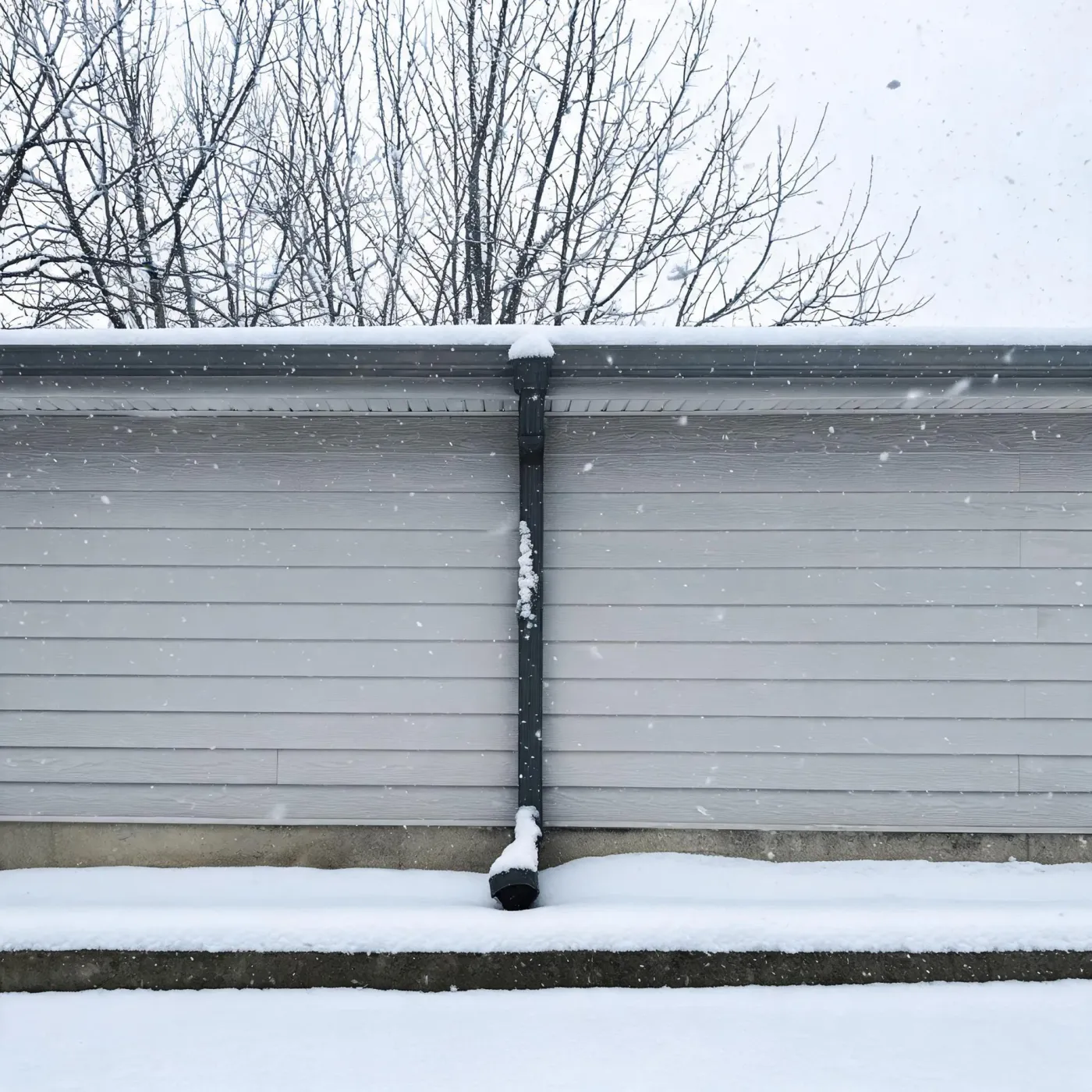
Winter nights average 27°F statewide, cold enough that your boiler is running long stretches after dark just to hold the house steady. An older unit loses some of its heat up the flue every time it cycles, so on those 27-degree nights it has to fire more often and stay on longer to make up for what it's losing. You'll feel it as rooms that cool off faster than they used to, or a thermostat that seems to call for heat more through the night. A high-efficiency boiler pulls more heat out of the same fuel before it vents, so it doesn't need to work as hard to keep pace on a cold night.
Source: NOAA statewide winter temperature averages.
NOAA nClimDiv 1991-2020 county normals weighted by homes
A high-efficiency boiler is worth it in Maryland if the one you have now is burning gas or oil and losing heat up the flue every winter night. The math is simple once you know what your current unit is costing you compared to what a condensing boiler would. Where you live, with electric heat priced the way it is, keeping a gas or oil boiler running well matters more than it might somewhere else. If yours still holds pressure, fires clean, and heats the house without running long stretches to do it, there's no case for replacing it yet. If it's doing the opposite, an upgrade pays you back in lower bills every winter it's installed instead of the old one. Either way, the answer isn't a guess. A contractor who looks at your boiler, your piping, and your venting can tell you which side of that line you're on, and what a new one would actually run on your gas or oil bill from there.
Boiler Installation
Get your boiler to the right pro
After you send the request, you're done searching.