Tell us about the job
Takes about a minute. No obligation.
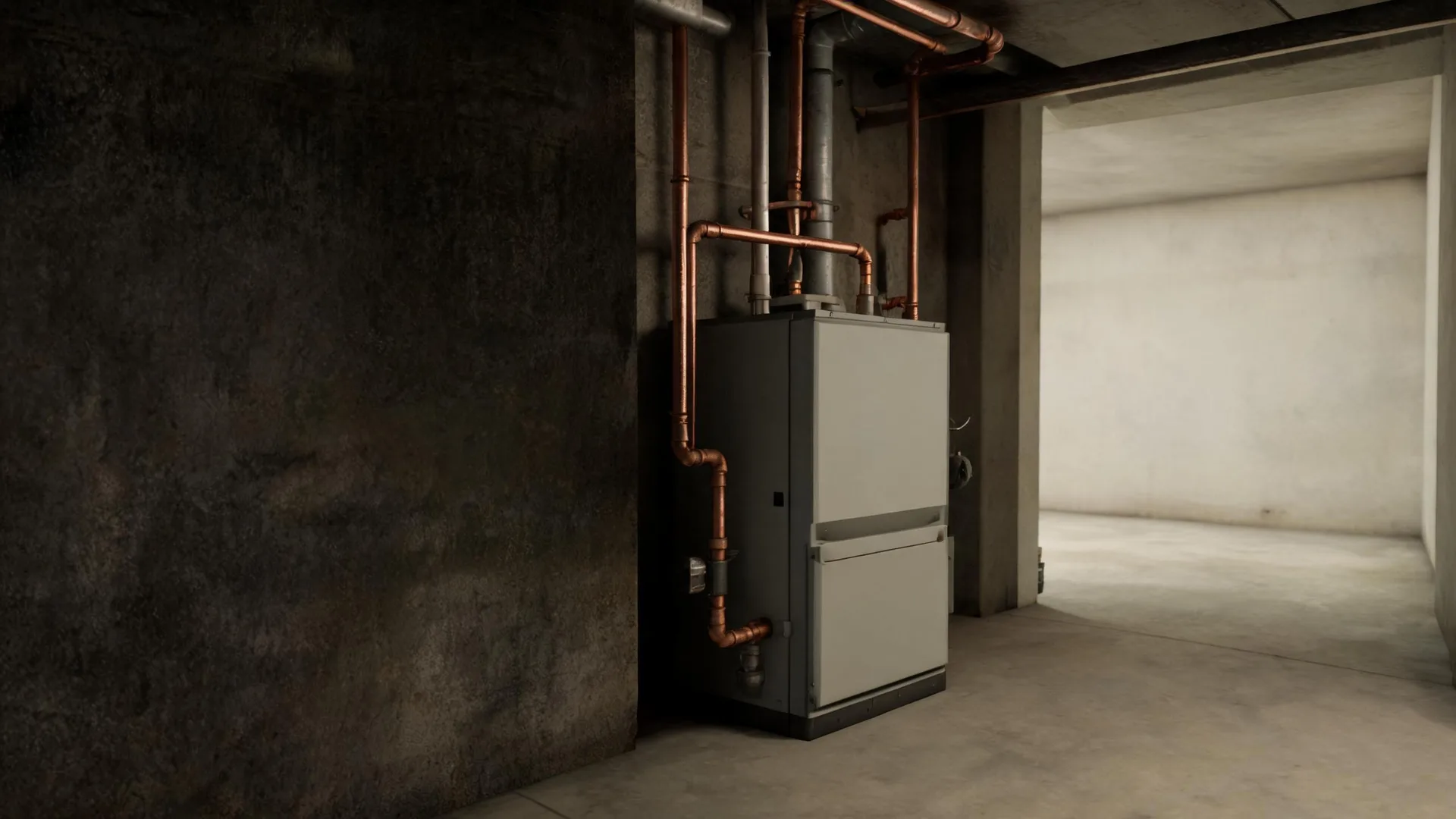
A contractor diagnosing a boiler problem in St. Mary's County starts with the burner and ignition system, because those are the parts that cycle every time the thermostat calls for heat. Homes in St. Mary's County, MD run heat about seven months a year, from October through April. That kind of extended run stacks starts and stops on the igniter, the burner assembly, and the heat exchanger in ways that show up as cracked refractory, fouled flame sensors, or igniter failure well before the boiler's overall age would suggest it. A failed call for heat in February is almost always a combustion-side fault, and a contractor who skips straight to the heat exchanger without checking ignition first is pricing the wrong repair.
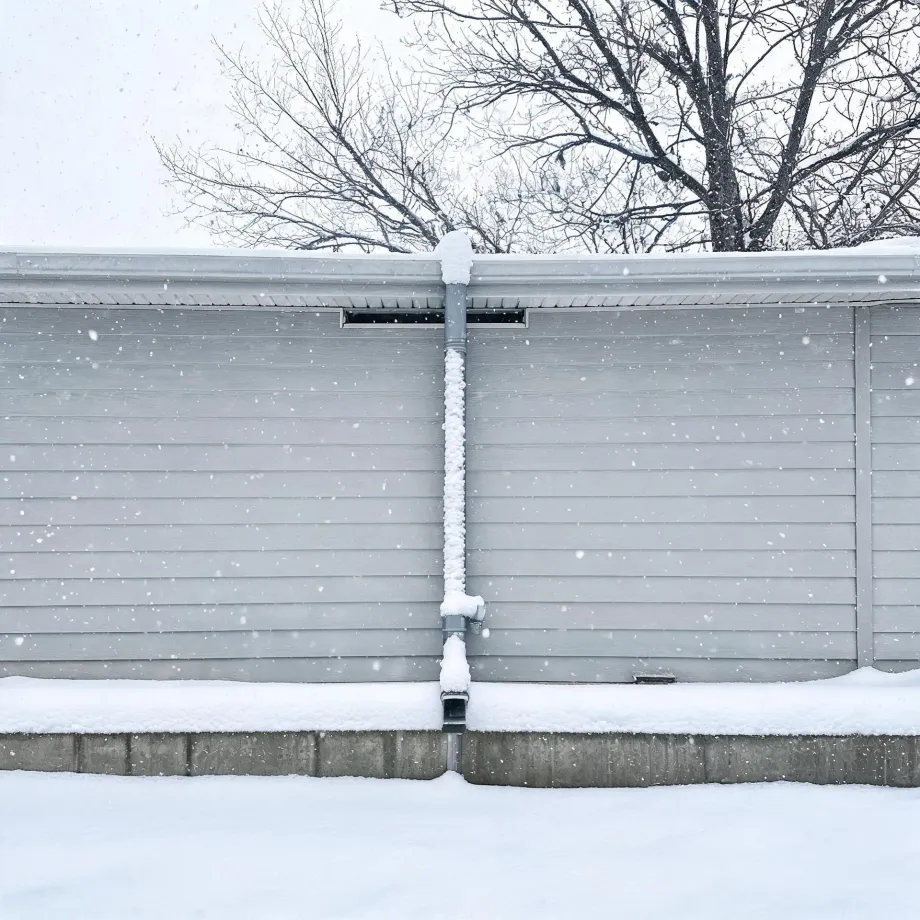
Boilers in housing this old often outlast the parts catalogs they were built around. Half the homes in St. Mary's County, Maryland were built in 1992 or earlier (2020-2024 ACS 5-year). A contractor who opens a failed unit here has to establish whether the valve, heat exchanger section, or burner assembly it needs is still in production before a repair scope even takes shape. If it is not, the job changes entirely, and the homeowner is deciding something different than they walked in expecting to decide.
The Parts of a Boiler a Contractor Checks First
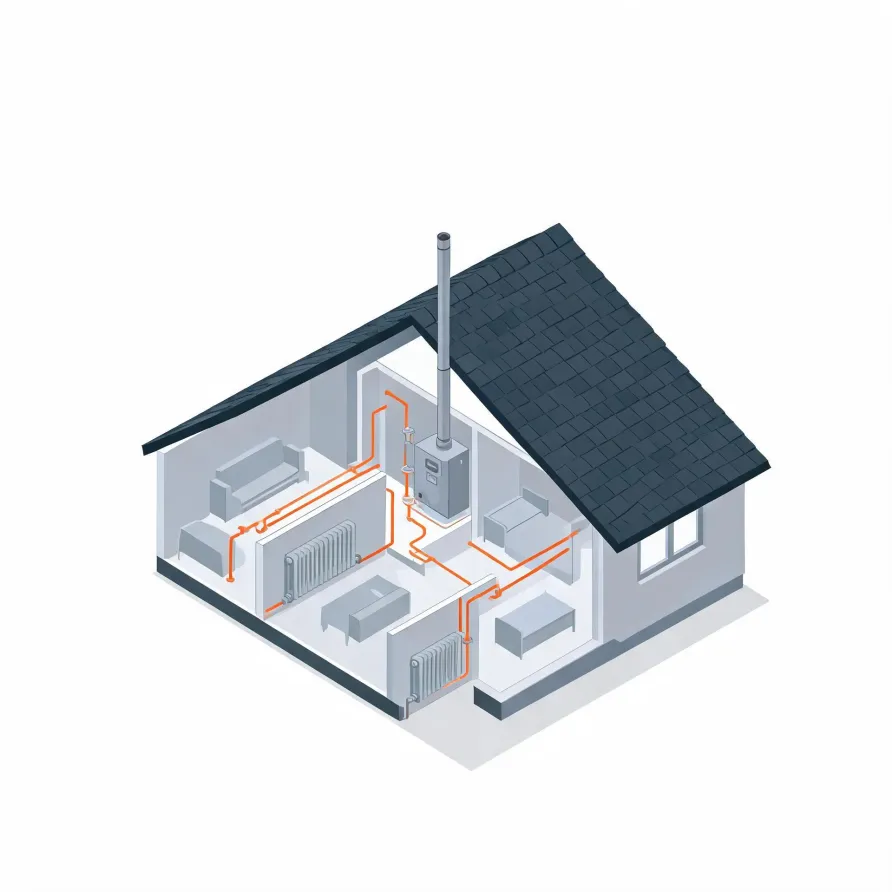
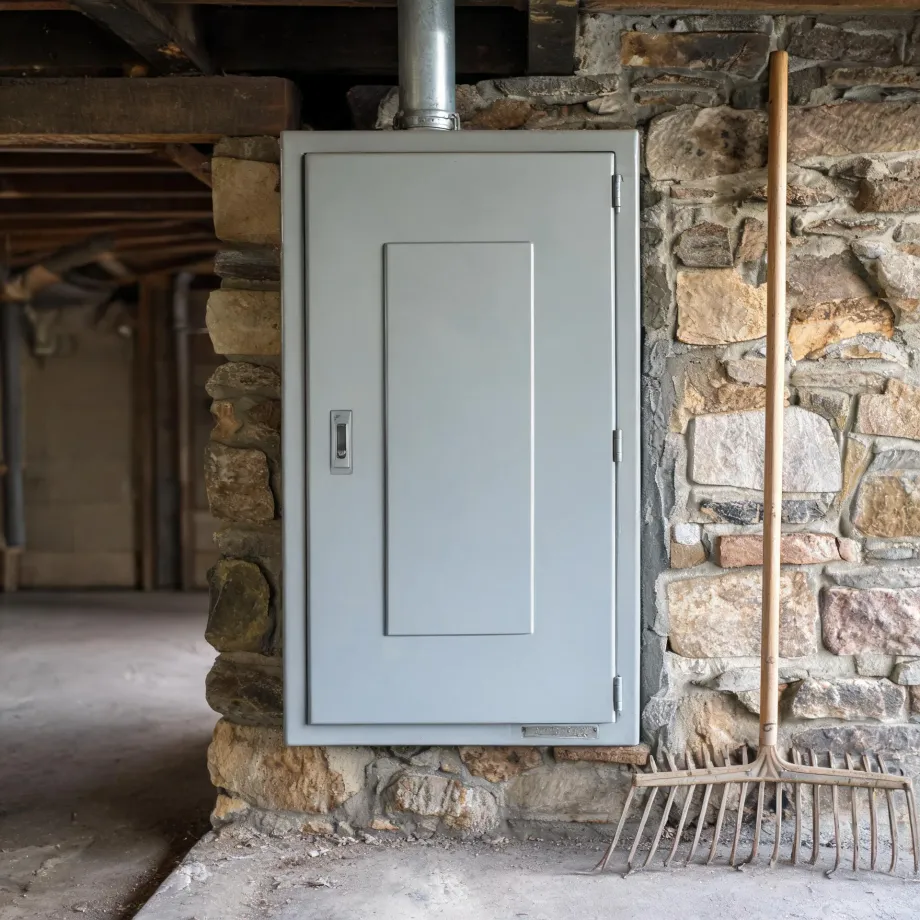
The boiler itself sits in the basement or a utility room and is where water gets heated before it moves through the house. The heat exchanger inside it is where a contractor looks early on, since cracks or buildup there affect everything downstream. The burner assembly, also inside the unit, is another common starting point when the system fails to heat properly.
From the boiler, pipes carry hot water to radiators or baseboard units in each room, and those terminal units are where a contractor checks for airlocks, valve failures, or restricted flow. The expansion tank, usually hanging near the boiler, absorbs pressure changes in the system, and a failed one shows up quickly in the pressure readings. The circulator pump, which drives water through the loop, is among the first mechanical components a contractor tests when heat delivery is uneven.
The drawing shows a general layout of these components, and a licensed contractor determines which parts apply and what condition they are in for your specific house.
Get matched in St. Mary's CountySt. Mary's County, MD, by the numbers
192 severe weather events were recorded in St. Mary's County, Maryland between 2015 and 2024.
NOAA National Centers for Environmental Information, Storm Events Database, bulk CSV export, events 2015-01-01 through 2024-12-31.Half the homes in St. Mary's County, Maryland were built in 1992 or earlier (2020-2024 ACS 5-year).
U.S. Census Bureau, 2020-2024 American Community Survey 5-Year EstimatesSt. Mary's County, Maryland holds 46,385 housing units (2020-2024 ACS 5-year).
U.S. Census Bureau, 2020-2024 American Community Survey 5-Year EstimatesOwners occupy 73.2% of the occupied homes in St. Mary's County, Maryland (2020-2024 ACS 5-year).
U.S. Census Bureau, 2020-2024 American Community Survey 5-Year EstimatesBoiler Repair Rules & Standards for St. Mary's County, Maryland1 sourced regulations and codes
Licensing and Legal Requirements in St. Mary's County, Maryland
Maryland requires a state licence before an individual provides, or assists in providing, heating, ventilation, air-conditioning or refrigeration services.
Severe Weather Events in St. Mary's County
Boilers in St. Mary's County take their workload cues from local conditions, and local conditions include more than cold winters. Stress from severe weather shortens the service life of heating equipment, which makes repair history in this area a local question, not a general one.
192 severe weather events, 2015–2024. Source: NOAA National Centers for Environmental Information, Storm Events Database.