Tell us about the job
Takes about a minute. No obligation.
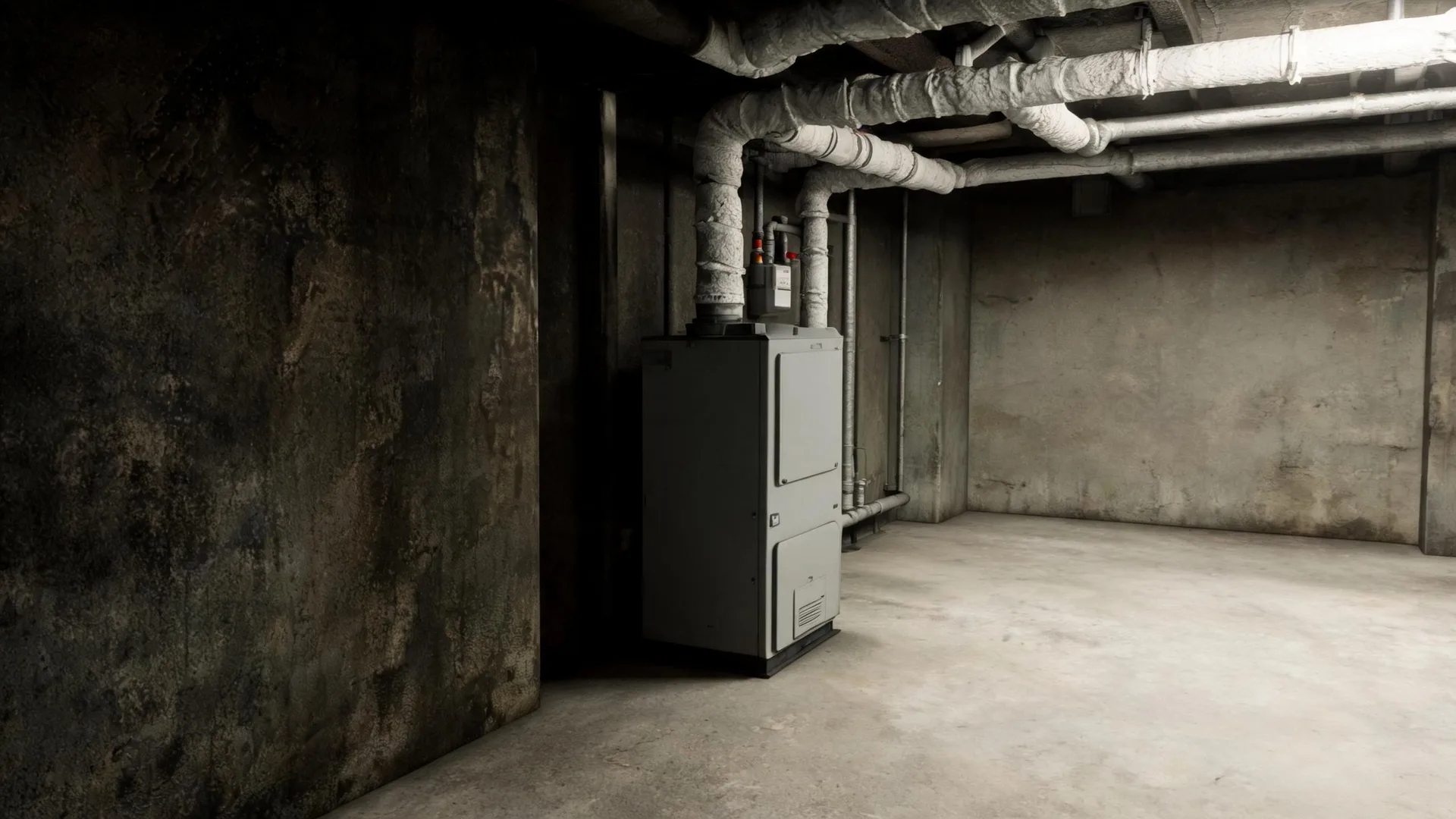
A contractor diagnosing a boiler in this county starts with the burner assembly and the ignition system, because those are the parts that have been cycling the longest. Homes in Prince George's County, MD run heat about seven months a year, from October through April. Every firing cycle stresses the igniter, the gas valve, and the heat exchanger in ways that add up quietly. By the time a homeowner calls for a repair, the burner components have a history that shows up in carbon buildup, cracked igniters, and heat exchanger fatigue. A contractor who skips that inspection and quotes only the symptom will miss the underlying wear.
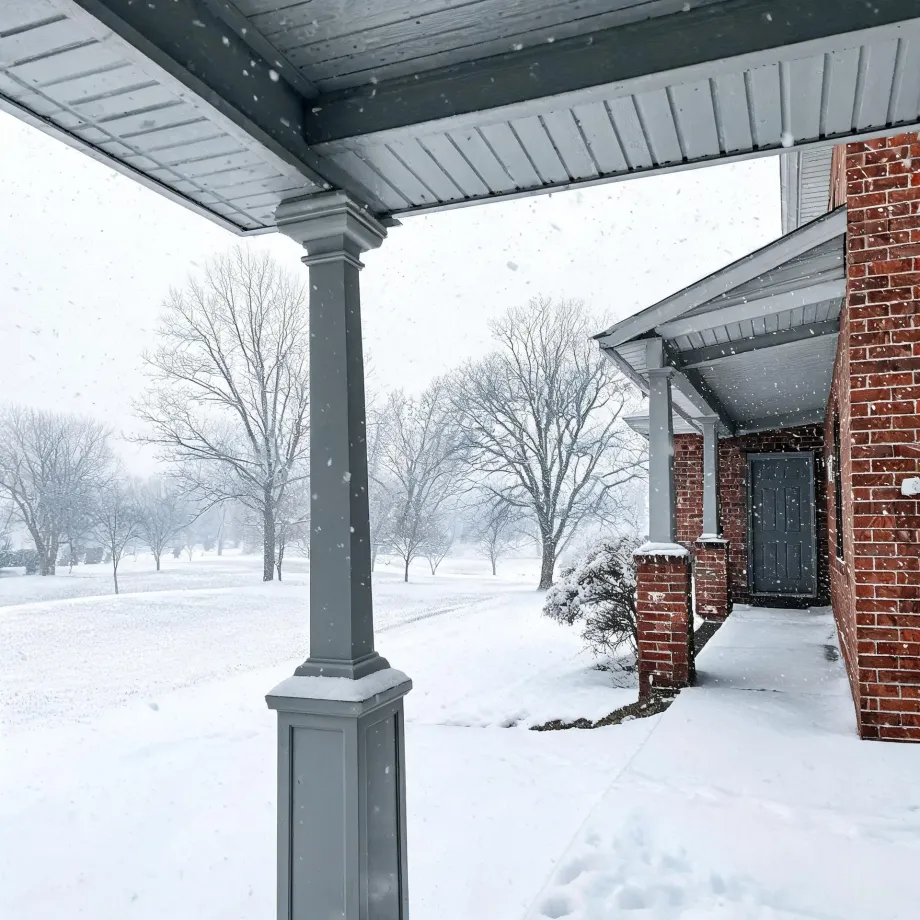
Boilers in housing this old have often been swapped out at least once since the house was built, and what a contractor opens is rarely the system the house started with. Half the homes in Prince George's County, Maryland were built in 1977 or earlier (2020-2024 ACS 5-year). That layering matters on a repair call: the boiler running today may take parts that are no longer manufactured, or may have been plumbed into a distribution system sized for something different. A contractor working through a no-heat call here checks availability before writing a scope, because a repair that looks straightforward on the outside can turn on a single discontinued component.
The Parts of a Boiler a Contractor Checks First
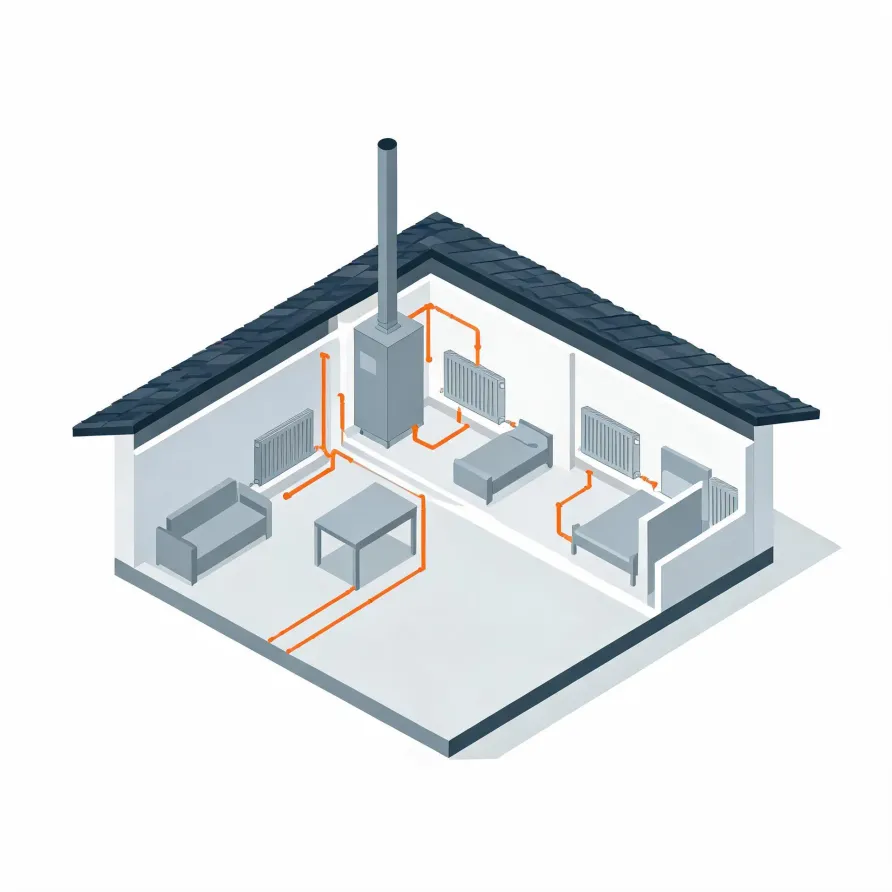
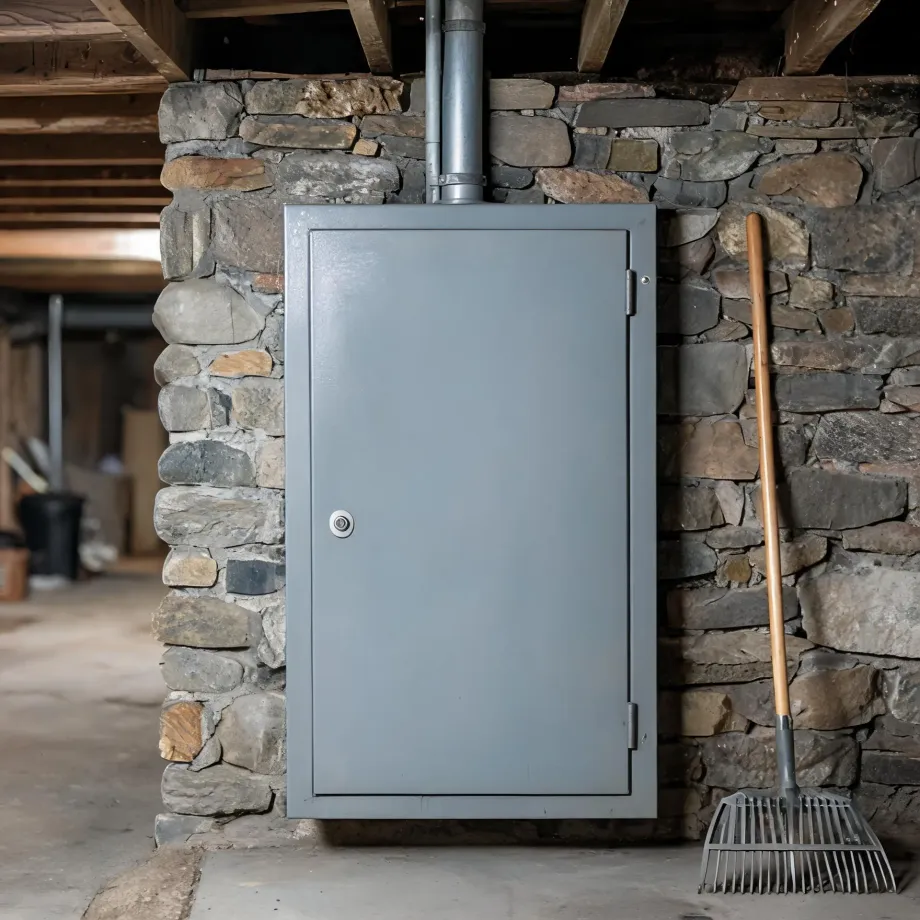
The boiler itself sits in the basement or a utility room and is the piece a contractor goes to first. Inside it, the heat exchanger and burner assembly are where most faults show up. A failed igniter, a cracked exchanger, or a faulty pressure relief valve will each stop the system in a different way.
From the boiler, supply pipes carry hot water to radiators or baseboard units throughout the house, and a circulator pump moves that water along the loop. The thermostat on the wall and the expansion tank near the boiler are smaller parts, but either one can be the reason heat stops reaching the rooms.
The drawing shows a representative layout, and a licensed contractor determines which components apply to your specific system and where the fault actually lies.
Get matched in Prince George's CountyPrince George's County, by the numbers
251 severe weather events were recorded in Prince George's County, Maryland between 2015 and 2024.
NOAA National Centers for Environmental Information, Storm Events Database, bulk CSV export, events 2015-01-01 through 2024-12-31.Half the homes in Prince George's County, Maryland were built in 1977 or earlier (2020-2024 ACS 5-year).
U.S. Census Bureau, 2020-2024 American Community Survey 5-Year EstimatesPrince George's County, Maryland holds 365,506 housing units (2020-2024 ACS 5-year).
U.S. Census Bureau, 2020-2024 American Community Survey 5-Year EstimatesOwners occupy 62.3% of the occupied homes in Prince George's County, Maryland (2020-2024 ACS 5-year).
U.S. Census Bureau, 2020-2024 American Community Survey 5-Year EstimatesCodes & Standards Governing Boiler Repair in Prince George's County, Maryland1 rules & standards on record
Licensing and Legal Requirements in Prince George's County, Maryland
Maryland requires a state licence before an individual provides, or assists in providing, heating, ventilation, air-conditioning or refrigeration services.
Severe Weather Events in Prince George's County
Boilers work hardest when outdoor conditions push hardest against them. The weather history below shows what the equipment in this area has had to absorb, and it is the reason boiler repair in Prince George's County is a local trade, not a generic one.
251 severe weather events, 2015–2024. Source: NOAA National Centers for Environmental Information, Storm Events Database.