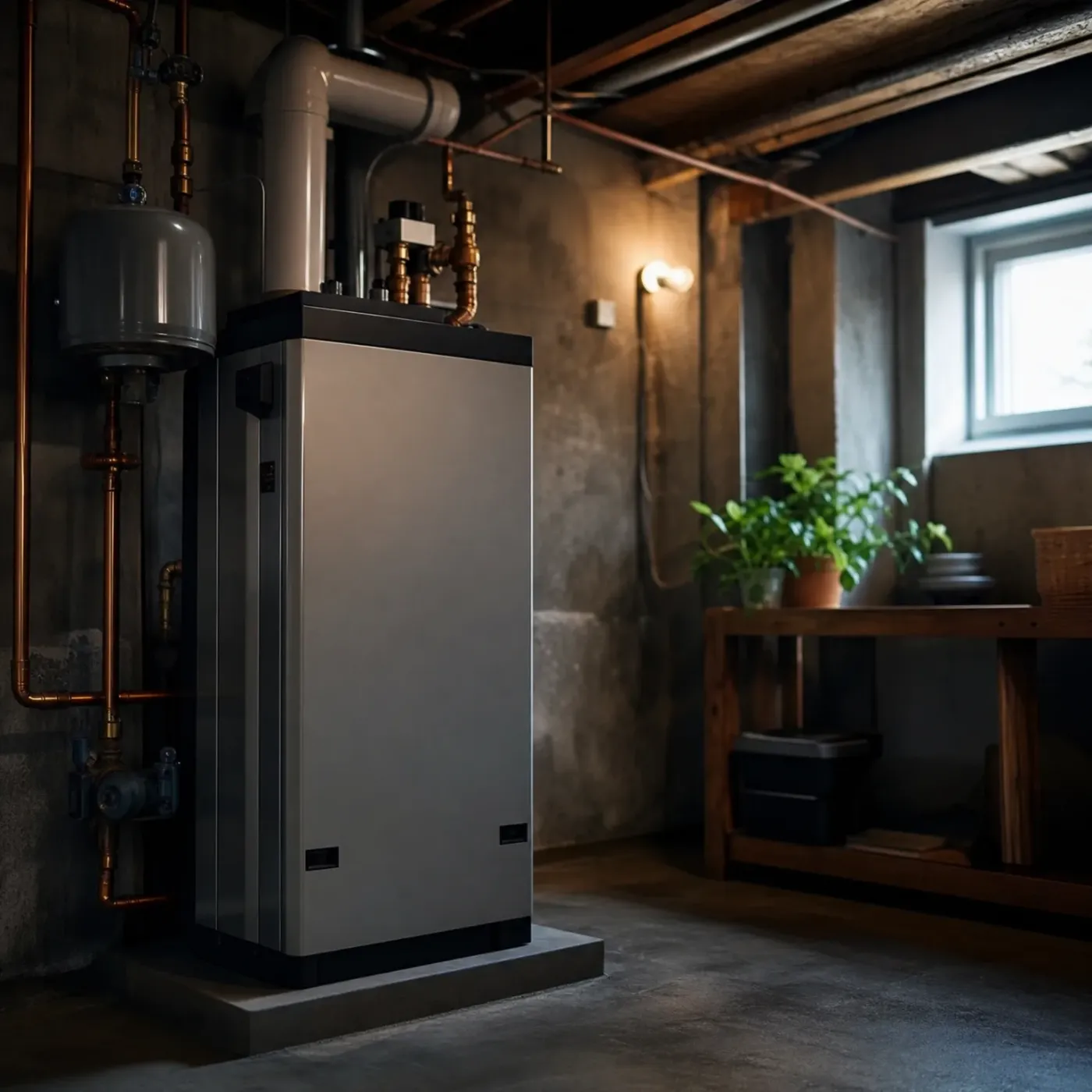
A floor-standing gray boiler unit on a concrete plinth in a basement, with copper pipes, an expansion tank, and a flue pipe above, a wall light, a small potted plant on a wooden shelf, and a window in the background.

The right pro for this job

Boiler pilot light keeps going out in Maryland

A pilot that won't stay lit usually means a bad thermocouple, a draft near the burner, or dirt in the line, and which one it is matters for what happens next. Most Maryland homes heat with electricity, so a boiler on the fritz is already the exception, and tracking down a contractor who still works on one shouldn't be another chore on top of it.

Find a boiler pro

A pilot light that keeps going out is almost always one of three things. The thermocouple, the small sensor rod that sits in the pilot flame, wears out and stops telling the gas valve the flame is lit, so the valve shuts the gas off as a safety measure. A draft slipping in around the burner compartment or through a nearby vent can blow the flame out directly. Or the pilot orifice has dirt or soot in it, so the flame burns too small and weak to hold. Each one has a different fix: the thermocouple gets replaced, the draft source gets found and sealed, the orifice gets cleaned. Since your boiler is one of the few heating systems in Maryland running on gas instead of electricity, a relight that doesn't hold usually points to one of these rather than anything about how hard the system is working. Left alone, it means no heat until someone traces which of the three it is.

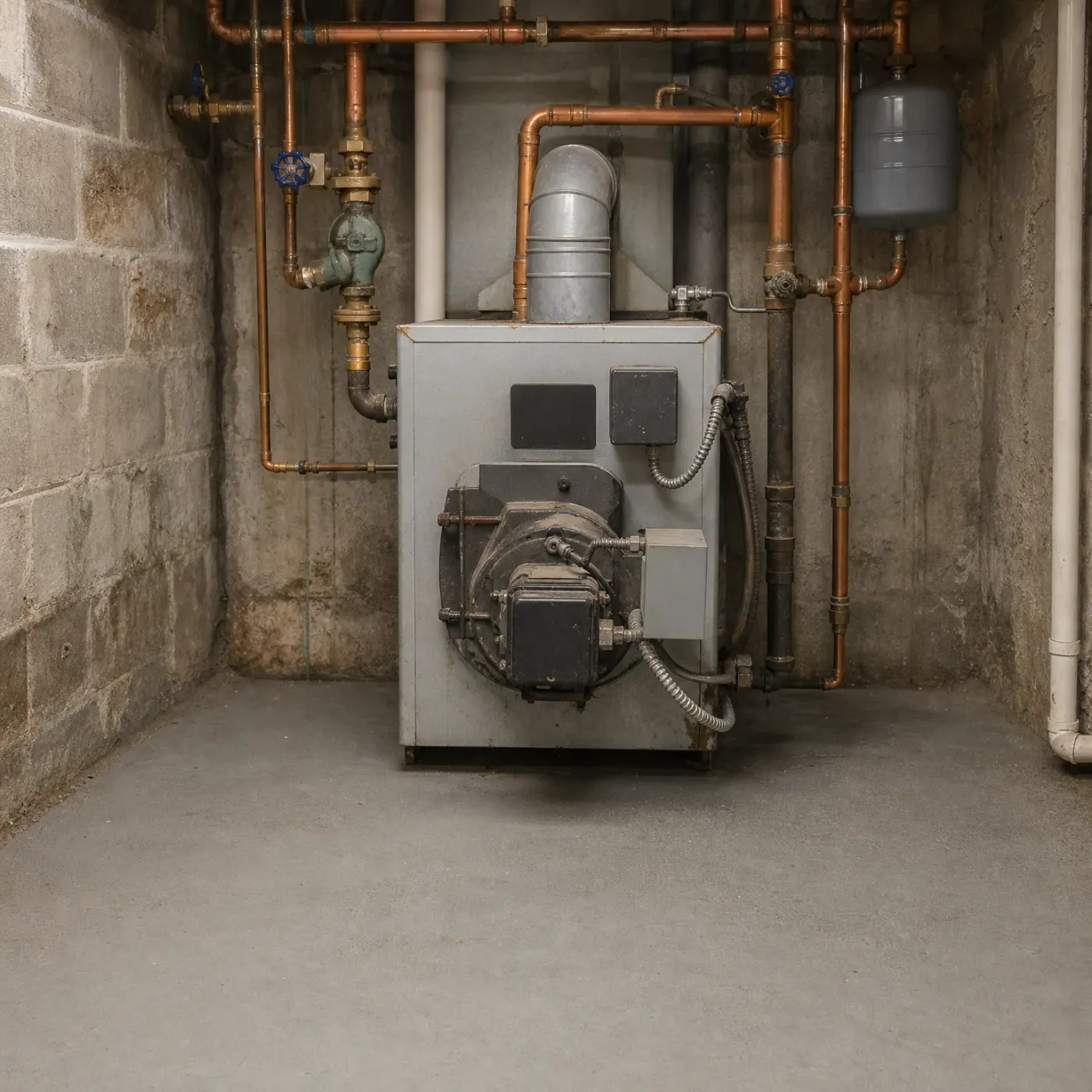
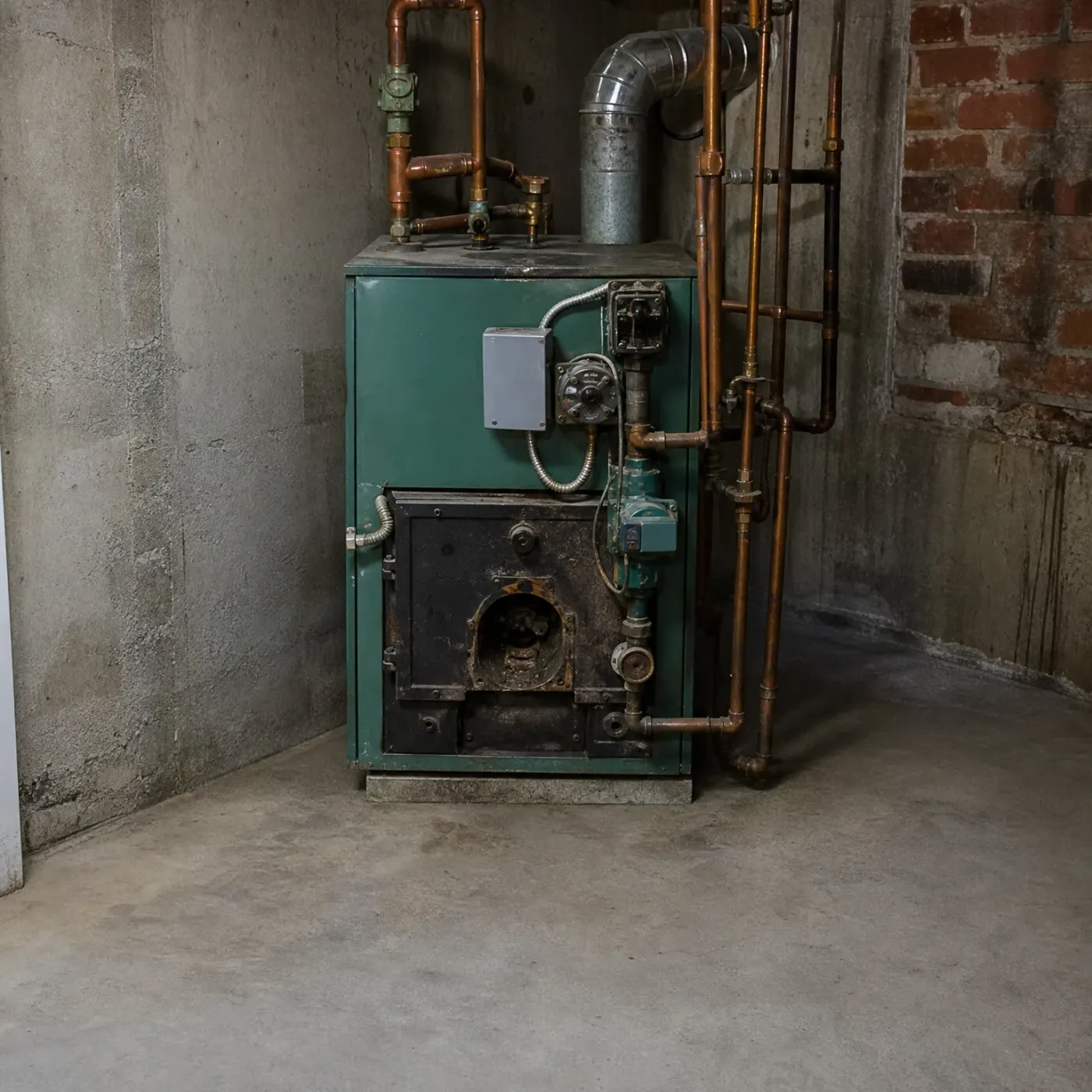
A green cast-iron boiler with a soot-stained front door, copper piping and a metal flue, standing on a concrete floor in a basement corner with concrete and brick walls.
Before you get your boiler repair
A blue-gray residential boiler in a basement corner, connected to copper piping, a green expansion tank, a circulator pump, gauges, and a metal flue pipe against painted block walls.
After you get your boiler repair

The pilot assembly is a small, exact setup. The thermocouple has to sit right in the flame to read it as lit, and the flame has to be strong enough and steady enough to keep that reading. Anything that weakens the flame or moves it off the sensor rod trips the gas valve into shutting the pilot supply down. That is the valve working as it should, not malfunctioning. A worn thermocouple reads a good flame as weak. A choked orifice makes the flame too small to register at all. A draft from a vent nearby, or a flue connection that has worked loose, can push the flame sideways just enough to lose contact. Soot and lint around the assembly do the same thing by blocking the flame from reaching the rod cleanly. If the pilot catches, holds a few seconds, then dies, that pattern points at the thermocouple more than the gas line itself. A boiler repair technician checks the assembly in that order, flame shape first, then the sensor, then what might be moving the air around it.

Why the Flame Won't Hold

  • The thermocouple sits directly in the pilot flame, and after a few years the metal fatigues and reads the flame as weaker than it is.
  • A dirty pilot orifice chokes the gas supply down to a flame too small for the thermocouple to register as lit.
  • The gas valve shuts off the pilot supply the moment the thermocouple signal drops, which is the valve doing its job, not failing.
  • A draft from a nearby vent or a loose flue connection can bend the pilot flame away from the thermocouple tip.
  • Soot or lint built up around the pilot assembly blocks the flame from making full contact with the sensor rod.
  • A pilot that relights and holds for a few seconds before dying again usually points to the thermocouple rather than the gas supply.
A woman with dark hair in a bun wearing a cream knit sweater sits on a gray sofa in a bright living room, looking off to the side.
A woman wrapped in a knit blanket sits on a gray sofa in a living room, looking toward a bright window with houseplants and an armchair in the background.
A woman in a gray cowl-neck sweater sits on a light sofa with cushions, smiling and looking to the side, with a kitchen and window visible behind her.
A woman with dark hair in a bun, wearing a light linen shirt, sits on a sofa and looks to the side, with a window, houseplants and a kitchen with pendant lights blurred behind her.

What a Dead Pilot Costs You

  • A boiler that won't hold a pilot light usually means backup electric heat is the only thing standing between your family and a cold house.
  • Maryland electric rates make that backup heat expensive fast, so every day the boiler sits broken costs you more on the bill.
  • If your boiler feeds the only heat in bedrooms or a nursery, a dead pilot light shows up as a cold room before anyone touches the thermostat.
  • A thermocouple or gas valve problem left alone can mean repeated relights that don't hold, so you end up checking the pilot every few hours.
  • Gas smell near the pilot access panel is not something to keep testing yourself, and it means shutting the valve off until someone looks at it.
  • A boiler that short-cycles between lit and out puts more strain on the igniter and valve each time, which tends to turn one repair into two.

Most houses in Maryland heat with electricity, so when a boiler is in the picture at all, it's usually carrying a specific job, maybe one zone, one wing of the house, a room someone added on. That's what makes a pilot light that won't hold such a problem. It's not background noise. It's the heat for a particular part of the house going quiet while the electric backup, if there is one, picks up the slack at a much higher cost per hour. You'll notice it on the bill before you notice anything else, because Maryland electric rates don't forgive a boiler sitting idle for a week while you mean to get around to calling someone.

If that boiler is what keeps a bedroom or a nursery warm, the first sign isn't usually a service light or an error code. It's a room that's colder than it should be, noticed by whoever sleeps in it. Relighting the pilot yourself can feel like it's handling things, but a thermocouple or gas valve that's actually failing won't hold no matter how many times you strike a match to it. Each relight that doesn't stick is wear on the igniter and the valve, and a problem that starts as one part can turn into two.

If you ever smell gas near the pilot panel, that's not a troubleshooting step. Shut the valve and leave it off until someone can look at it.

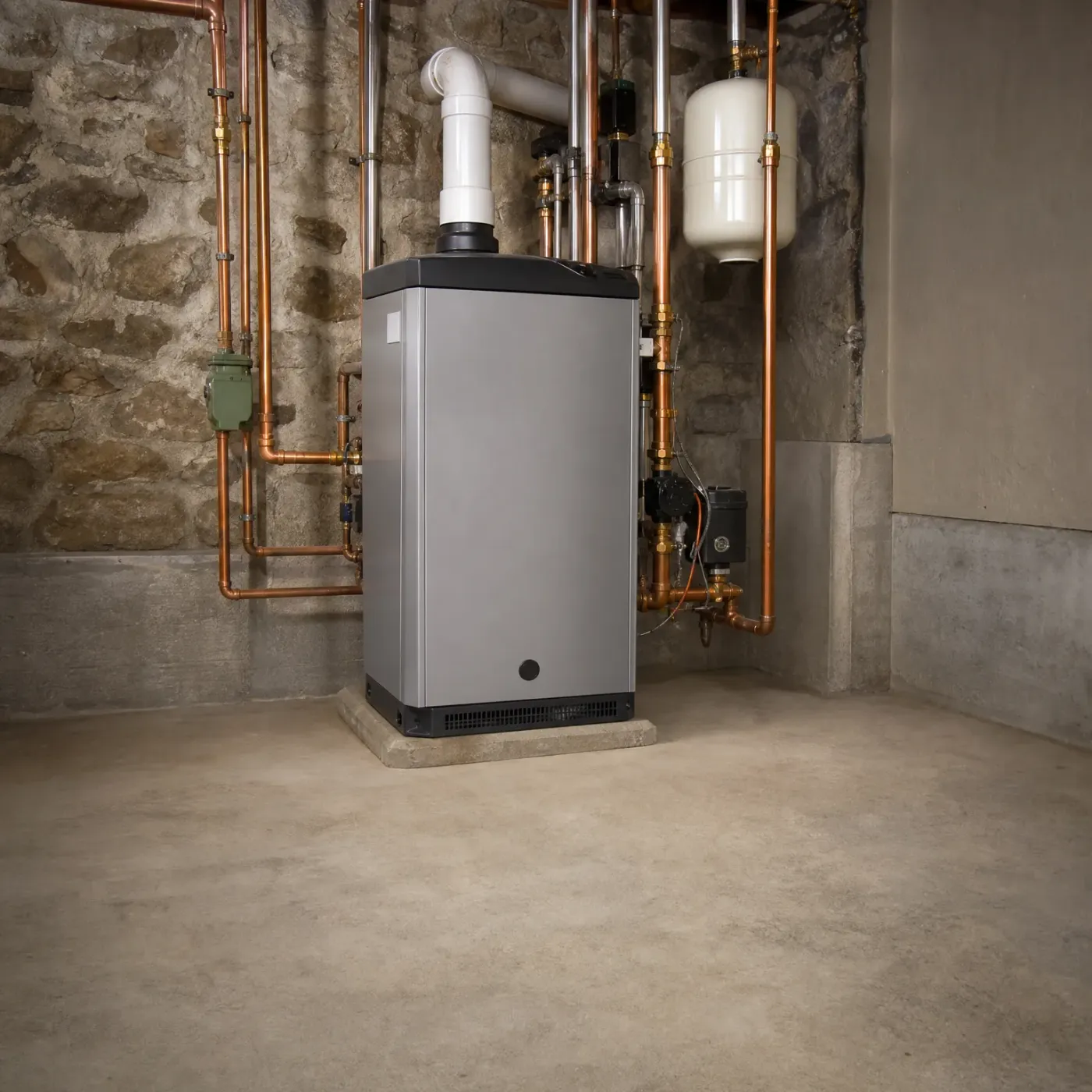
A gray floor-standing boiler on a concrete pad in a basement, connected to copper pipes, a white expansion tank, and a white PVC vent against a stone and concrete wall.
A boiler holding its pilot steady, venting clean through the PVC flue with no relight needed.
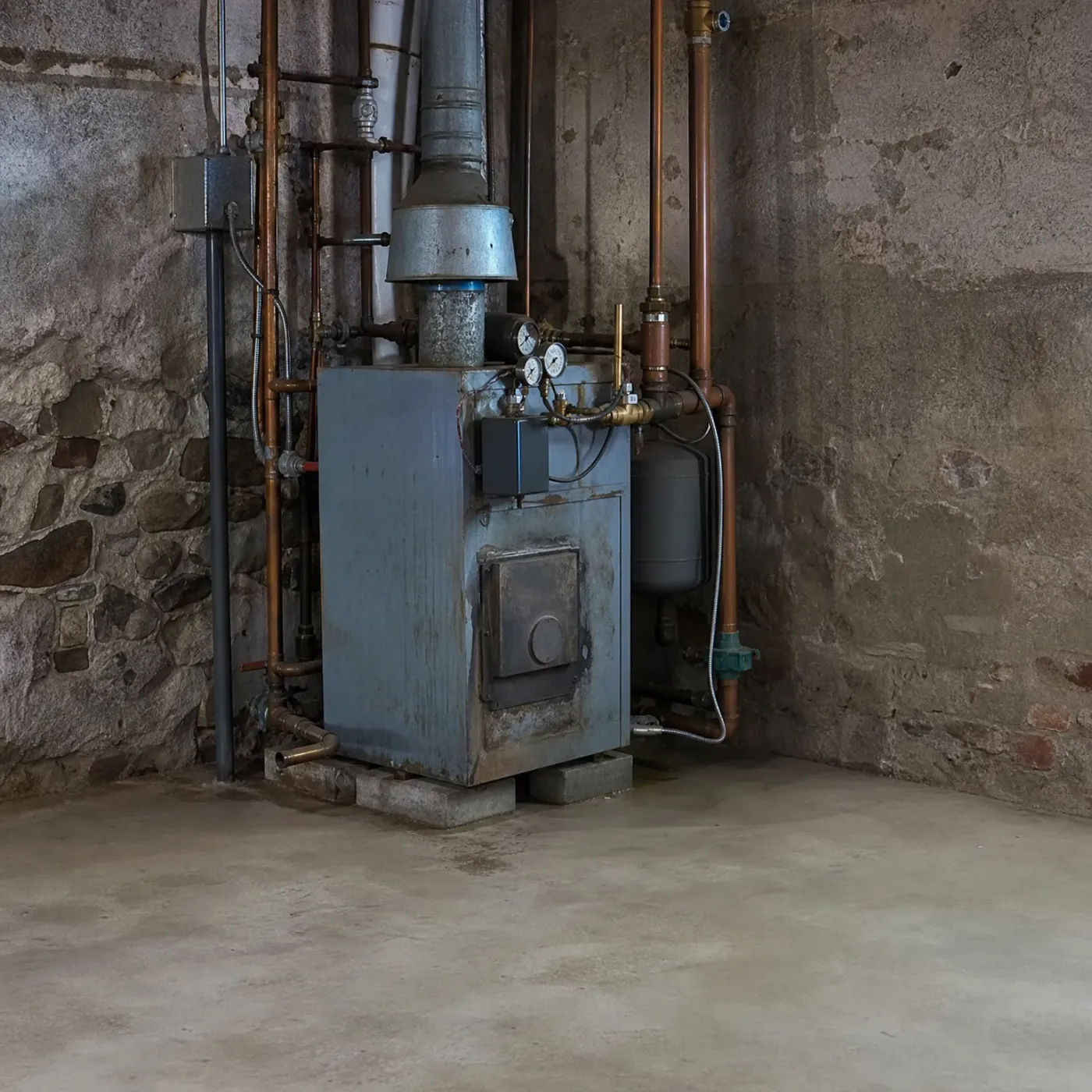
An older gray boiler with a metal flue, copper piping, pressure gauges and an expansion tank sits on concrete blocks in a basement corner with stone and concrete walls.
A boiler with a cast-iron body and a wide flue pipe, where the pilot won't hold and the gas valve keeps cutting out.
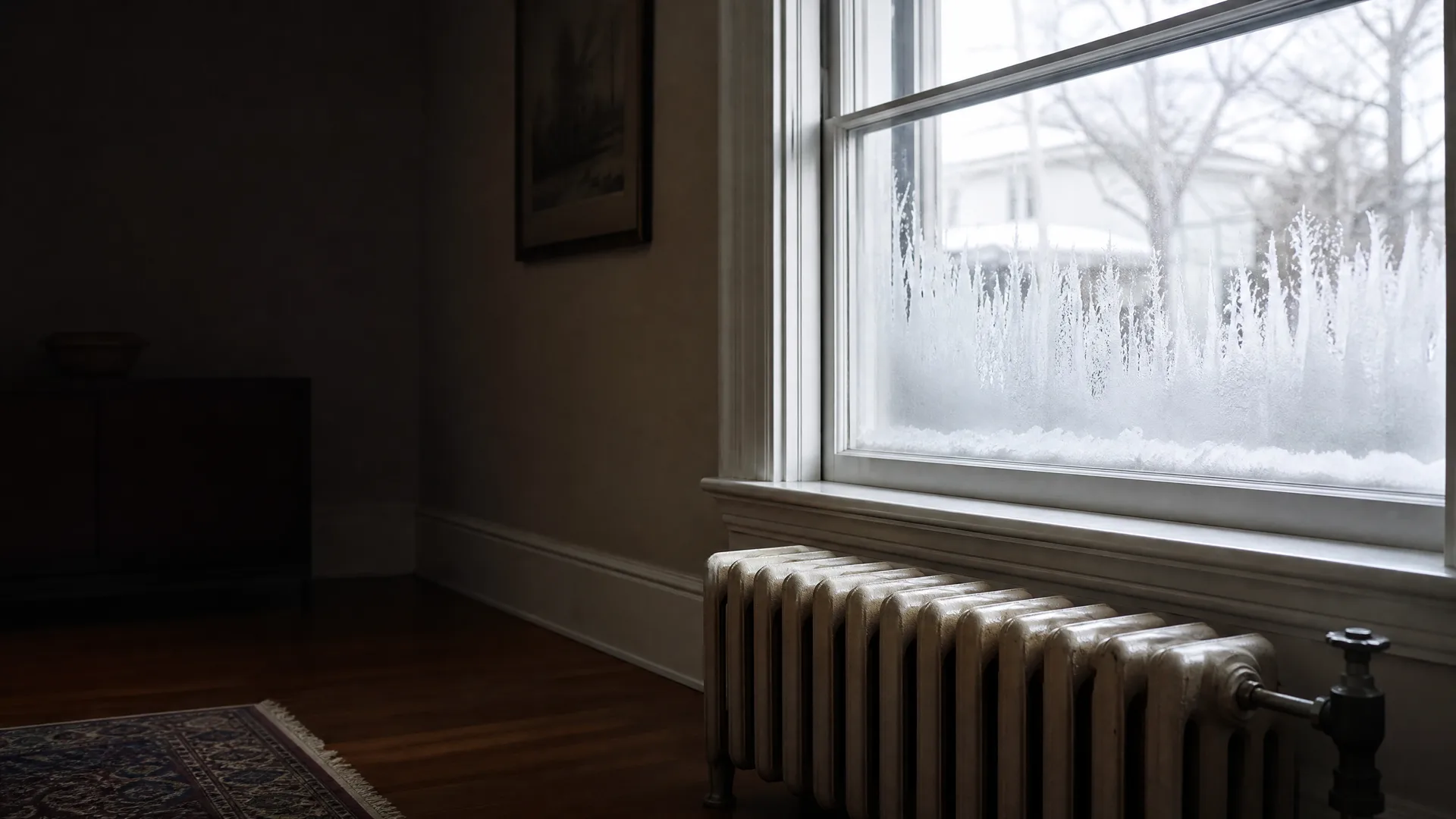
A cast-iron radiator with a valve sits beneath a frost-covered window in a dim room with dark wood floor, a patterned rug, a framed picture, and a low cabinet.

It's just past six and still dark outside. You're down in the living room because the thermostat upstairs read fifty-eight when you checked it. The radiator under the window hasn't ticked or hissed in hours. Ice has formed on the inside of the glass, a thin fan of it spreading from the corner, and your breath shows a little when you lean close to check the pilot. It's out again, third time this week. Your son's school clothes are laid over the cold radiator fins, waiting for heat that isn't coming. You relight it, cup your hand around the flame, and wait to see if it holds past the count of thirty this time.
Winter nights average 27°F statewide

Statewide, the overnight low runs about 27°F through December, January and February. That's the kind of cold where a boiler that drops its pilot at 2 a.m. isn't a minor annoyance, it's the difference between a warm house and a cold one by morning.

NOAA nClimDiv 1991-2020 county normals weighted by homes

A thermocouple is rated for a specific gas valve, not a universal part, so swapping in the wrong one can leave the pilot dropping out just as often as before.

Getting the right part in on the first try means one visit instead of two, and one less night running on backup electric heat while you wait.

An older woman with gray hair in a bun and glasses, wearing a beige knit sweater, smiles while looking to the side in a warmly lit kitchen, with a loaf of bread on the counter in the foreground and a snowy scene outside the window.
A woman and a child wrapped together in a knitted gray blanket on a couch, with the child's head resting on her shoulder and a lit table lamp and houseplant in the background.

Matched to your boiler job

Fill out one short form instead of calling around.

Sending the form costs nothing.

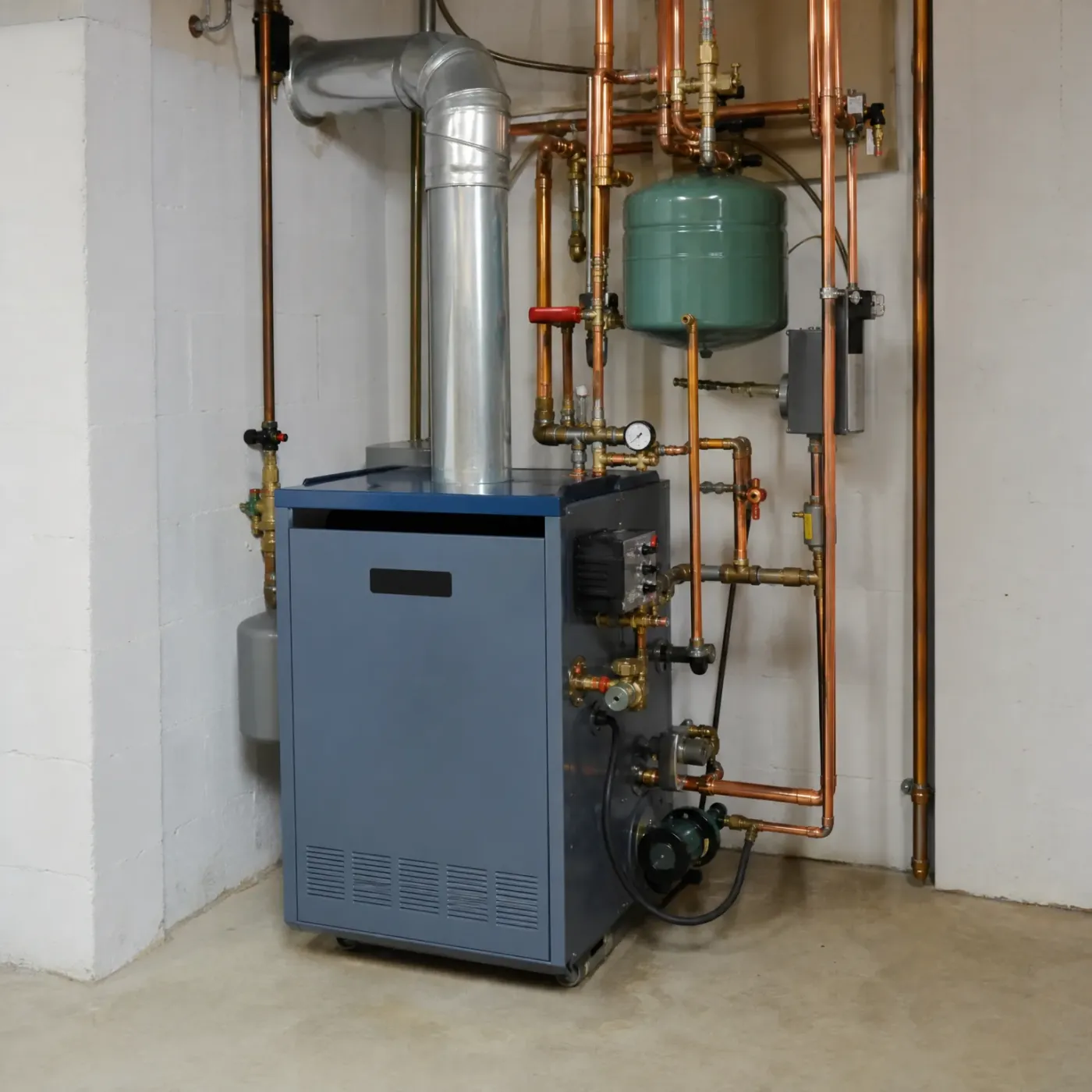
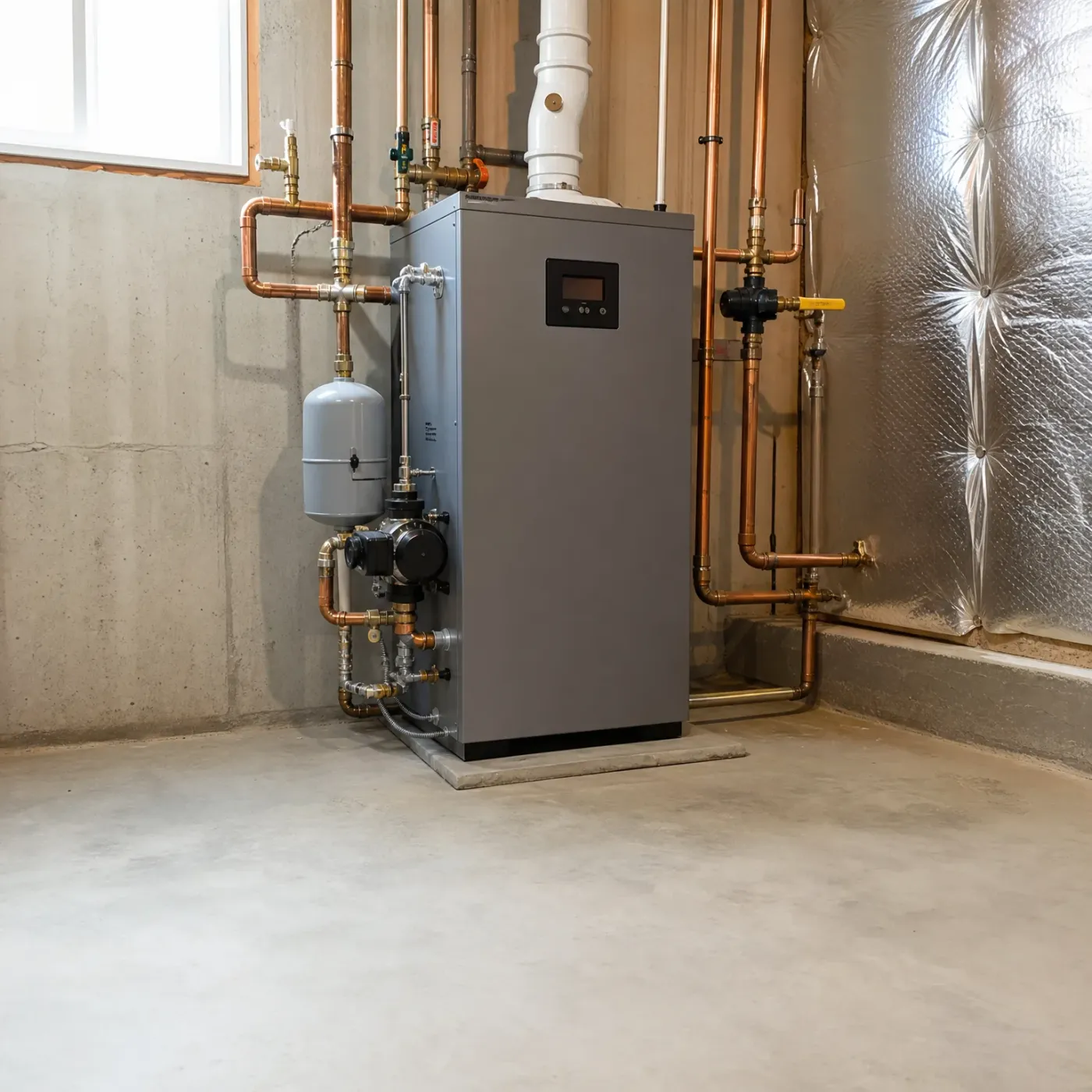
A gray boiler unit with a digital display stands on a concrete basement floor, connected to copper piping, a gas valve, a circulator pump and an expansion tank, beside a concrete wall and foil-faced insulation.

Boiler running right

This is a boiler holding its pilot and venting clean through the PVC flue. The copper piping, the circulation pump, the expansion tank all do their job without a relight. No cold spots, no electric backup kicking in to cover for it.

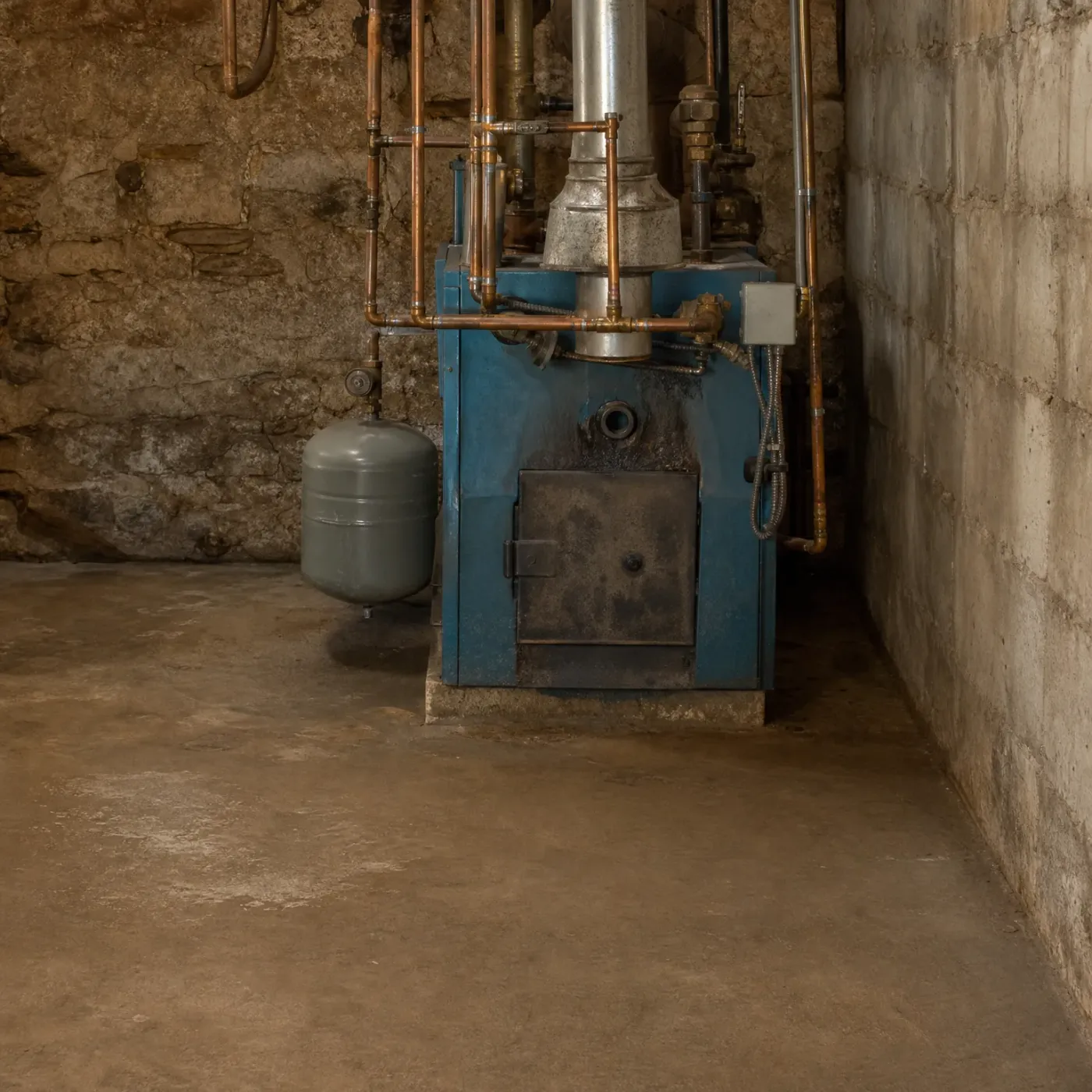
A blue cast-iron boiler with a metal flue pipe and copper piping stands against a stone and concrete block basement wall beside a gray expansion tank on a bare concrete floor.

Boiler losing the pilot

This is the one that won't hold. Cast-iron body, wide flue pipe, a gas valve that keeps cutting out. The access door shows the wear of a unit that's been relit more times than it should. Left alone, it's electric heat picking up the slack, and that costs more every day it runs.

Why does your pilot light keep blowing out at night?

You relight it, it holds for a while, then sometime after you've gone to bed it drops again. You'll notice the radiators go quiet first, then the house starts losing heat room by room. By morning the air near the windows feels colder than the rest of the house. If your boiler is a backup to electric heat, the electric kicks in to cover for it, and that costs more than running the boiler would. If it's your only heat, the house just keeps cooling until someone catches it. Either way, a pilot that won't hold isn't fixing itself between relights. It goes out again until the part causing it gets replaced.

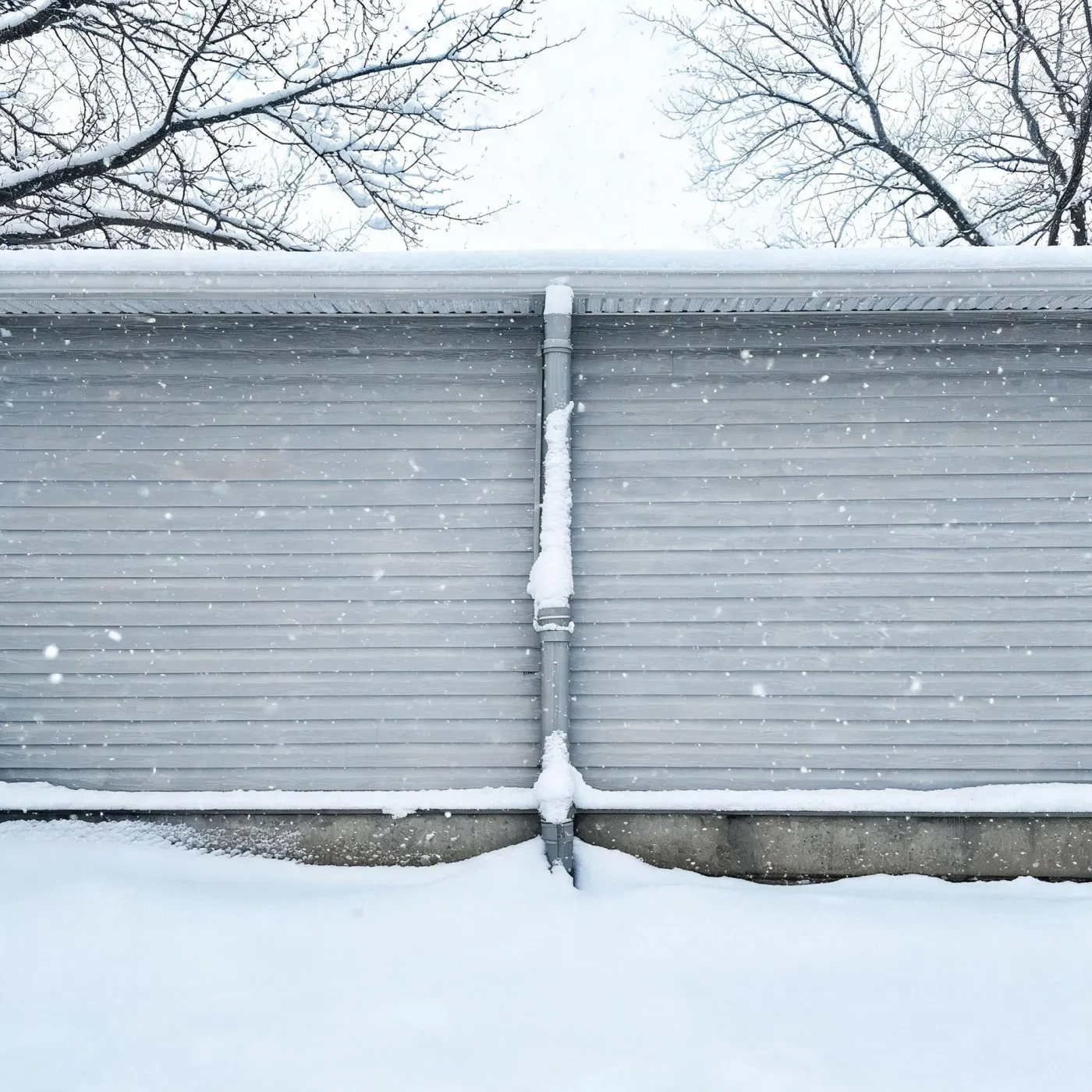
Exterior of a gray horizontal-lap-sided building with a snow-covered roof edge and a central downspout, seen during falling snow with deep snow on the ground and bare tree branches above.

Statewide, the overnight low in winter averages 27°F, according to NOAA climate data. At that temperature, a boiler that holds its pilot for a few hours and then drops it isn't losing just a little warmth, it's giving up most of the night. The radiators cool down fast once the gas valve cuts out, and by the time anyone wakes up, the house has had six or more hours to lose heat. If the backup electric kicks in to cover the gap, that's expensive overnight, and if it doesn't, the rooms farthest from the thermostat are the first to feel it.

NOAA nClimDiv 1991-2020 county normals weighted by homes

Fix It or Keep Relighting It

Call a repair tech

  • A tech can pressure-test the thermocouple's millivolt output and tell you in minutes if that's the part dropping your pilot.
  • Getting the right thermocouple for your specific gas valve on the first visit means the pilot holds that same night instead of dropping again.
  • If the real problem is a draft near the burner or a cracked heat exchanger, a tech can find that before you spend money on a part that won't fix it.
  • A working pilot means the boiler runs on gas instead of your home falling back on electric heat at Maryland's rates.
  • Once it's fixed, you stop checking the pilot window at night or getting up at 2 a.m. to relight it.

Keep relighting it yourself

  • Relighting buys you heat for a few hours at best if the thermocouple is worn, then the valve shuts the gas off again.
  • A pilot orifice clogged with dirt won't clear itself, so the flame stays too small for the thermocouple to read as lit no matter how many times you relight it.
  • Every hour the pilot's out overnight, the house loses heat and electric backup picks up the load at Maryland's rates.
  • Without knowing which of the three causes it is, you're guessing, and a wrong guess means buying a part that doesn't match your gas valve.
  • Searching for who to call, explaining the pilot problem on the phone, and comparing quotes takes time you don't get back by waiting another night.
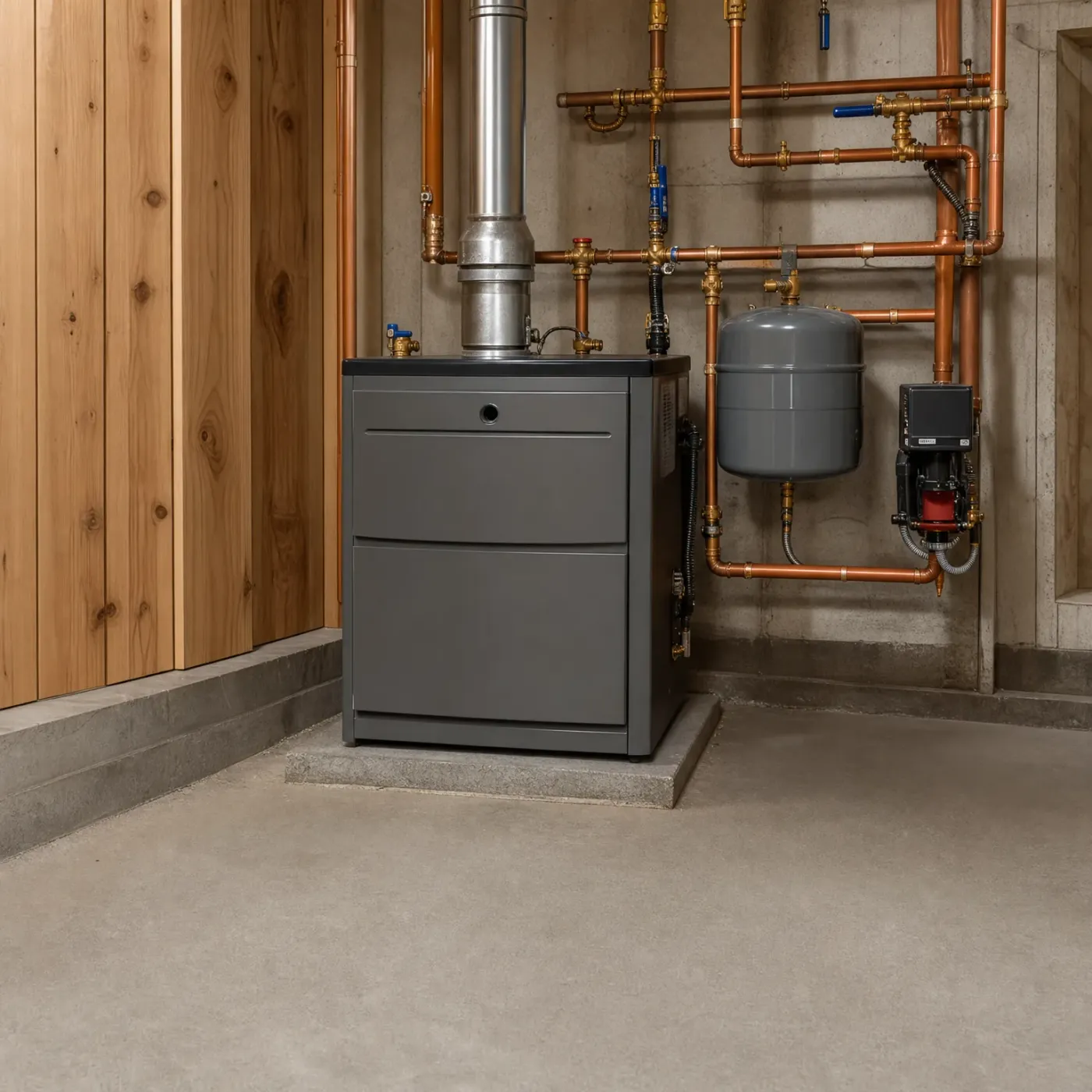
A gray boiler on a concrete pad in a basement, with a metal flue pipe and copper piping, brass valves, a gray expansion tank and a circulator pump mounted on the concrete wall beside wood paneling.

Pilot holding steady

The pilot stays lit and the burner cycles on its own. Water moves through the copper piping to the radiators, the circulation pump runs quiet against the wall, and the expansion tank holds its pressure. Nobody has to go downstairs and relight anything.

A gray boiler with a flue pipe and burner unit stands against a concrete block basement wall, surrounded by copper and steel piping, valves, and a gray expansion tank, on a bare concrete floor.

Pilot dropping out

Down in the unfinished basement, the flame won't hold. Gas reaches the burner through the brass fittings and shut-off valves, but the pilot keeps cutting out before the thermocouple can tell the valve it's lit. Each time it drops, the radiators upstairs go quiet.

A man in a dark blue shirt stands in an open front doorway of a stucco and wood-clad house, facing a blond woman seen from behind in the foreground on a stone walkway.

A pilot that won't hold is a thermocouple, a draft, or a dirty line

Three things cause a boiler pilot to keep going out, and a tech can tell which one in minutes with a pressure test on the thermocouple. Once the right part goes in for your gas valve, the pilot holds and the radiators stay warm without you checking the thermostat at six in the morning.

You don't have to call around to find who can look at it, explain the same thing to three different companies, or sort through quotes to figure out who's worth having in the house. Answer a few questions about your boiler and a licensed contractor who works on this kind in Maryland will reach out to you directly. No backup electric heat running up the bill while you wait to find someone.

Interior corner with a beige sofa holding a dark green and a light cushion and a textured throw, a potted small-leaved tree beside a white-framed window, and a dark shallow bowl on a wooden coffee table in the foreground.
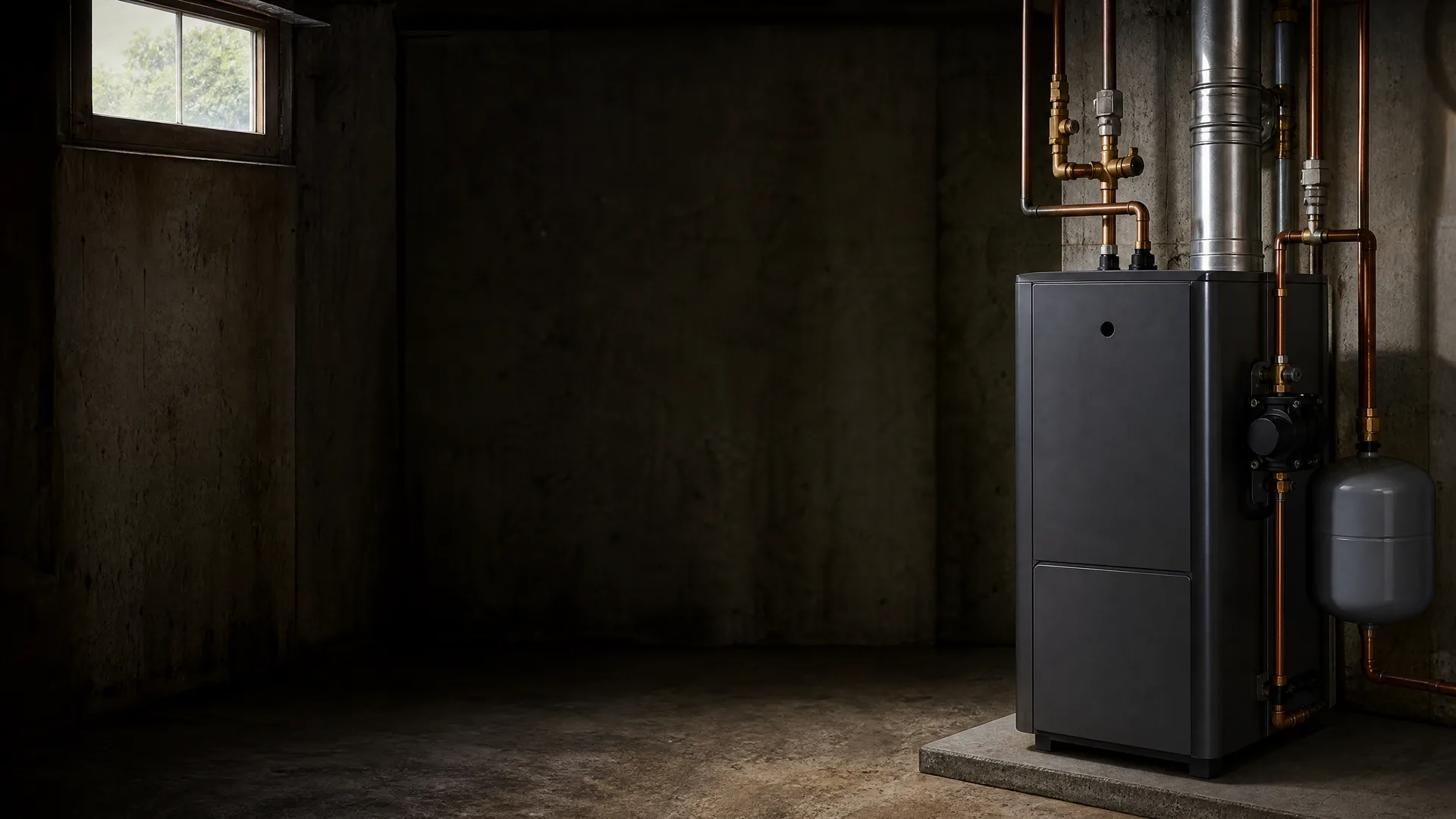
A dark grey boiler unit on a concrete pad in a dim basement, with copper pipes, a metal flue, and a grey expansion tank on the wall, and a small window with daylight on the left.

A boiler pro near you

Explain the job once and skip repeating it on every call.

Step 1 of 3: Equipment